
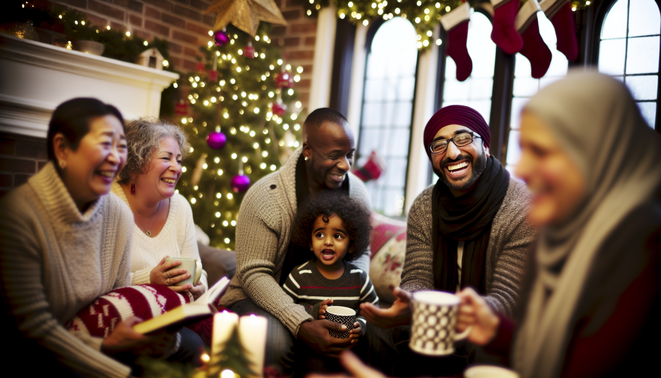
Navigating Family Dynamics During the Holidays
Holiday gatherings often bring unique pressures that can amplify family dynamics, turning what should be a joyous occasion into a scene of stress and conflict. Whether it’s the clashing of personalities, unresolved issues, or differing expectations, these factors can enter the holiday mix, leading to strain among family members.
To effectively navigate these dynamics, it’s crucial to practice clear communication and emotional intelligence. Start by setting the tone early—express gratitude and warmth, which can create a positive atmosphere. When tensions arise, employ active listening; this shows respect for others’ viewpoints and can defuse potential conflicts. For instance, when disagreements surface, using phrases like “I understand that you feel…” helps acknowledge feelings without escalating the situation.
Another strategy is to establish boundaries before gatherings. If certain topics are known to cause friction, agree to steer clear of them or address them constructively. Having a game plan for handling difficult conversations can keep discussions from deteriorating. For a deeper exploration of emotional intelligence and how it can enhance your holiday experiences, check out our article on Understanding Emotional Intelligence to Navigate the Holidays Effectively.
Creating Compatibility: Tips for Partner Inclusion
Fostering a supportive family environment where your partner feels included can significantly enhance emotional bonds and overall family harmony. Here are some strategies to consider:
- Communicate Openly: Discuss expectations and feelings with your partner about family dynamics. Open conversations create an atmosphere where everyone feels comfortable expressing their views and needs.
- Involve Them in Family Plans: Ensure your partner is part of the decision-making process for family activities and events. Asking for their input not only values their opinion but also reinforces their role in the family unit.
- Celebrate Their Contributions: Acknowledge and appreciate the unique attributes your partner brings to the family. Whether it’s cooking a family meal or organizing a game night, recognizing their efforts helps them feel valued.
- Facilitate Connections: Encourage your partner to bond with other family members through shared activities or one-on-one interactions. This can ease any potential tension and promote intimacy within the family setting.
- Create Inclusive Traditions: Establish family rituals or traditions that incorporate preferences and cultural backgrounds from both you and your partner. This can enrich family experiences and help everyone feel represented.
- Be Mindful of Dynamics: Pay attention to family interactions, noting if your partner feels left out or if existing relationships overshadow new ones. Your awareness can guide you in making adjustments to foster a more inclusive atmosphere.
- Encourage Individual and Family Self-Care: Supporting each other in personal interests or self-care routines is essential. This not only strengthens your bond but also sets a positive example for family members about valuing each other’s individuality.
Implementing these strategies can create a nurturing family environment that promotes inclusion and strengthens relationships. For more insights into emotional dynamics, consider exploring our article on understanding emotional intelligence in family settings.
Dealing with Difficult Conversations
Navigating difficult conversations with family during holiday gatherings can be challenging. Here are effective strategies to foster a more harmonious environment:
- Set Clear Intentions: Before the gathering, clarify your goals for conversations. Aim to promote understanding rather than to win an argument. Approaching discussions with a mindset of curiosity can encourage open dialogue. Prior to broaching sensitive topics, consider referencing emotional intelligence principles to help frame discussions positively.
- Practice Active Listening: Make it a point to listen more than you talk. Acknowledge others’ feelings and perspectives, even if you disagree. Techniques for active listening include reflecting back what someone has said and asking clarifying questions to ensure understanding. More on this can be found in our article on empathy in leadership.
- Agree to Disagree: In some cases, it’s wiser to acknowledge differences without trying to resolve them on the spot. Offering a gentle reminder that family bonds can withstand disagreements can help alleviate pressure. You might find insights on managing diverse opinions in our discussion about assertive communication.
- Keep it Light: When delving into sensitive topics, use humor to diffuse potential conflicts. Sharing lighter anecdotes or stepping back to find common ground can provide a breather when discussions heat up. Integrating fun elements could help maintain a jovial atmosphere, as we explore in our piece on motivation through light-heartedness.
- Know When to Walk Away: If a conversation is escalating, don’t hesitate to excuse yourself from the situation. Taking a break allows emotions to cool and gives everyone time to recalibrate, which is especially beneficial in preserving the family spirit during holidays.
Implementing these strategies can significantly enhance the quality of family interactions during festive gatherings, helping to minimize conflict and promote deeper connections.
Fostering Positive Connections with Extended Family
Fostering positive connections with extended family, particularly in-laws, during holiday gatherings requires intentional strategies to build and maintain strong relationships. Here are a few effective techniques:
- Establish Open Communication: Before the holidays, engage in open dialogue with your in-laws. Discuss your expectations and listen to theirs. Clear communication can alleviate misunderstandings and help everyone feel more involved. Studies show that improved communication enhances family dynamics, fostering a better emotional climate during gatherings [Source: NIH].
- Plan Inclusive Activities: When organizing holiday events, consider activities that cater to diverse interests within the family. This could be games, cooking together, or storytelling sessions that encourage participation from everyone, strengthening bonds through shared experiences [Source: Psychology Today].
- Practice Patience and Empathy: Understand that family dynamics can be complex. Approach disagreements calmly, and practice empathy by putting yourself in the other person’s shoes. Empathy plays a crucial role in conflict resolution and can lead to stronger connections [Source: Forbes].
- Create Traditions Together: Start new traditions that everyone can participate in and feel a part of. This could be a holiday meal recipe, a unique gift exchange, or a fun group outing. Traditions can create lasting bonds and memories that family members look forward to each year [Source: HuffPost].
- Recognize Individual Contributions: Acknowledge and appreciate contributions from each family member, whether it’s their cooking, decorating skills, or stories shared. This recognition fosters a sense of belonging and encourages positive interactions [Source: Harvard Business School].
- Set Boundaries When Necessary: While building connections is essential, it’s equally important to set healthy boundaries. If certain topics or behaviors lead to tension, discuss them discreetly with the involved parties ahead of time to prevent conflict during gatherings [Source: Psychology Today].
- Focus on Gratitude: Emphasizing gratitude during interactions can shift the focus from potential conflicts to appreciation. Share things you are thankful for, which can uplift the group’s mood and foster connection [Source: Greater Good Science Center].
By implementing these techniques, you can help ensure that holiday gatherings become opportunities for connection and joy, strengthening your relationships with extended family members.
Planning Activities that Enhance Relationship Bonds
Enhancing relationships among family and friends during celebrations can be accomplished through carefully planned festive activities. Here are some suggestions that promote bonding and create lasting memories:
- Group Cooking Challenges: Organize a friendly cooking or baking competition where participants can team up. This works well for creating a collaborative atmosphere and allows everyone to showcase their culinary skills. You can even create a themed dinner based on the holiday being celebrated.
- Memory Jar: Set up a memory jar where each person writes down a favorite memory or something they are grateful for that year. During the gathering, take turns reading the notes, which fosters connection and appreciation among the group. This activity ties into the concept of gratitude, which has been shown to improve mental health and strengthen relationships ([Source: Nature]).
- Outdoor Adventure: Plan a family hike, picnic, or a day at an amusement park. Outdoor activities promote emotional bonding and enhance overall well-being through physical activity, which is beneficial for stress relief and improved mood.
- Game Night: Host a game night featuring board games and card games that encourage teamwork, strategic thinking, and laughter. Games can ignite friendly competition and spark meaningful conversations among participants.
- Creative Workshops: Engage in a DIY workshop where crafts or art making is the focus. Activities like painting, pottery, or decorating holiday ornaments allow for self-expression and creativity, which can create a fun and relaxed environment.
- Family Talent Show: Encourage family members to showcase their talents, whether it’s singing, dancing, or magic tricks. This fosters a supportive atmosphere and allows everyone to appreciate each other’s unique abilities.
- Photo Scavenger Hunt: Create a scavenger hunt with a list of items or scenarios to photograph around the house or neighborhood. This encourages teamwork, exploration, and creativity while also documenting shared moments.
- Storytelling Evening: Dedicate time for storytelling where family members share their favorite stories or experiences. This can be themed around family traditions, cultural heritage, or funny anecdotes, fostering deeper connections through shared narratives.
These activities not only enhance the joy of celebrations but also nurture deeper connections, making the events more significant. For further insights into emotional intelligence and its role during gatherings, check out our article on Navigating Holidays with Emotional Intelligence.
Setting Personal Boundaries for a Peaceful Celebration
Establishing personal boundaries during holiday gatherings is pivotal for ensuring emotional well-being and fostering harmony. As stress levels typically rise during the festive season, individuals may feel overwhelmed by family dynamics and social expectations. Setting clear boundaries helps mitigate feelings of anxiety and promotes a peaceful atmosphere.
First, it’s essential to identify your limits. Acknowledge situations or topics that may trigger discomfort and communicate these to loved ones ahead of time. For instance, agreeing to avoid sensitive subjects such as politics or personal relationships can prevent potential conflicts and create a more enjoyable environment.
Practicing assertive communication is equally important. Use “I” statements when expressing your needs, such as “I need some quiet time” or “I feel overwhelmed by crowds.” This clarity not only informs others but also models healthy interaction.
Additionally, prioritize self-care. Schedule breaks during gatherings to recharge, whether that’s a short walk or simply stepping away to regroup. Engaging in mindfulness or breathing exercises can also help maintain calm amidst chaos [Source: Nature].
Lastly, remember that it’s okay to say no. If certain invitations or activities aren’t in alignment with your comfort levels, decline graciously. Protecting your peace should always be prioritized during the holidays to ensure they are genuinely joyful [Source: Seeking Alpha].
Setting these boundaries will not only enhance your holiday experience but can also positively influence relationships in the long run, paving the way for more fulfilling connections in future gatherings. For further insights on emotional intelligence during the holidays, check out our article on Understanding Emotional Intelligence to Navigate the Holidays Effectively.
Handling Relationship Changes During the Holidays
Navigating relationship changes during the holidays can be particularly challenging, as the festive season often emphasizes connection and togetherness. Whether you’re dealing with a breakup or adjusting to a new partnership, there are several strategies to help manage these transitions.
- Acknowledge Your Feelings: It’s crucial to be honest about your emotions; recognizing these feelings is the first step toward coping. Acknowledging your emotional state allows for better emotional regulation and processing. [Source: NIH].
- Establish Boundaries: If the holidays bring reminders of your past relationship or if you’re entering a new one, setting clear boundaries with friends and family can help protect your emotional well-being.
- Practice Self-Care: Engage in activities that nourish your mental health. This could include journaling, which aids in self-discovery and emotional processing. Simple prompts can help you reflect on your feelings and identify areas for growth [Source: Tiny Journaling Prompts].
- Stay Connected: Surround yourself with supportive friends who understand your situation. Having a support system can mitigate feelings of loneliness or isolation, particularly after a breakup [Source: Understanding Emotional Intelligence].
- Focus on New Traditions: If you find the holidays nostalgically challenging, create new traditions that focus on your current situation. This can make the season feel special and help to navigate the complexities of new relationships.
By implementing these strategies, you can create a holistic approach to dealing with significant relationship changes during the holidays, making this season manageable and even enjoyable.
Embracing Diversity in Relationships for Enriching Experiences
Embracing diversity in relationships enriches our lives by fostering deeper connections and enhancing our emotional intelligence. Diverse relationships—whether through family, friendships, or romantic partnerships—expose individuals to various perspectives, traditions, and cultural values, which can lead to greater empathy and understanding. Studies have shown that people in diverse relationships often experience improved problem-solving abilities and creativity due to the wider range of ideas and experiences they navigate together (Source: Forbes).
Finding common ground in diverse family dynamics requires open-mindedness and communication. It is crucial to approach each relationship with a willingness to understand the unique backgrounds and values of others. Engaging in regular family discussions can help clarify differences and create an environment where everyone feels heard. Activities that incorporate elements from different cultures or sharing family traditions can also bridge gaps and build unity (Source: Psychology Today).
In addition, emotional intelligence plays a vital role in managing the complexities that arise in diverse relationships. The ability to recognize emotional triggers and cultivate empathy can lead to better conflict resolution and deeper connections. Families can thrive by incorporating strategies to enhance emotional awareness, such as practicing gratitude or engaging in family mindfulness practices, which encourage members to remain present and considerate of each other’s feelings (Source: Cerebral Quotient).
Ultimately, embracing diversity in relationships not only enriches our experiences but also enhances our capacity for love and understanding within our families.
Key Takeaways
- The holiday season can amplify family dynamics, making clear communication and emotional intelligence key for enjoyable gatherings.
- Inclusion of partners during family events strengthens bonds and fosters an atmosphere of support and understanding.
- Difficult conversations can be navigated successfully with intention, active listening, and a willingness to agree to disagree.
- Planning inclusive and engaging activities fosters positive connections among family members, enhancing overall holiday enjoyment.
- Set personal boundaries to maintain emotional well-being during holiday gatherings, ensuring they remain joyful and fulfilling.
- Embracing relationship changes during the holidays can be managed by acknowledging feelings and focusing on new traditions and connections.
- Diversity in relationships allows for richer experiences and deeper emotional connections, enhancing family bonds and understanding.
FAQ
1. How can I manage relationship stress during the holidays?
Managing relationship stress during the holidays involves clear communication and setting realistic expectations. Prioritize discussing your holiday plans to minimize last-minute conflicts. Consider creating a shared calendar to coordinate events and ensure both partners feel included during this busy season.
2. What are some effective ways to increase compatibility during the holidays?
To enhance compatibility, embrace shared experiences that nurture your bond. Engaging in holiday traditions together can strengthen your connection. Also, practice active listening to understand your partner’s needs and preferences better, and try new activities together to create meaningful memories.
3. How do I handle conflicts with family members during the holidays?
Conflict resolution requires a calm approach. When disagreements arise, focus on understanding different perspectives rather than winning an argument. Setting boundaries is crucial; voice your needs respectfully and take breaks from heated discussions to cool down.
4. What should I do if my partner has different holiday traditions?
Navigating differing traditions requires flexibility and compromise. Discuss each person’s traditions and choose a few to incorporate into your celebrations. Alternating between traditions or merging elements from both can foster a sense of partnership and excitement.
5. Why is maintaining emotional intelligence important during the holidays?
Emotional intelligence plays a crucial role in navigating the complexities of holiday interactions. Being aware of your emotions and those of others helps manage conflicts and enhance empathy, allowing for healthy communication and stronger relationships.
Conclusion
Fostering harmonious relationships during holiday celebrations is crucial, as these gatherings often magnify underlying tensions and create opportunities for both connection and conflict. Utilizing emotional intelligence can significantly enhance interactions, helping individuals manage their emotions and respond empathetically to others. For example, practicing active listening can make family members feel valued and understood, reducing misunderstandings typical during stressful times.
Moreover, sustaining these positive relationships throughout the year is equally important. Regularly checking in with loved ones, expressing gratitude, and resolving conflicts early can help maintain strong bonds. Adopting these strategies not only enhances emotional well-being but also contributes to a supportive network that can provide comfort and connection beyond the holiday season.
🧠 Ready to take your next test? Explore more about emotional intelligence and everyday relationships in our article Understanding Emotional Intelligence.