
Understanding Cultural Differences
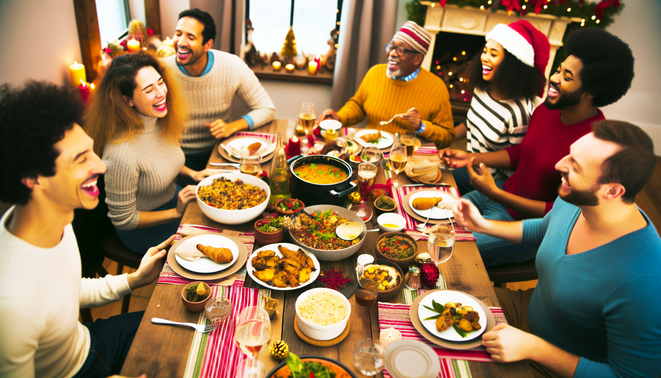
Understanding cultural differences is essential for navigating relationships, especially during the festive season. Holidays often invite family gatherings and social events, where individuals from varied backgrounds converge. These differences can manifest in communication styles, traditions, and expectations, significantly impacting relationship dynamics. For instance, some cultures emphasize collectivism, prioritizing family and community cohesiveness, while others value individualism, focusing on personal achievement and self-expression.
Such contrasting views can lead to misunderstandings if not openly discussed. An individual from a collectivist background may find it essential to involve extended family in holiday celebrations, while someone from an individualistic culture may prefer intimate gatherings. Moreover, differing cultural approaches to celebrations—be it the rituals practiced, the types of food served, or how gifts are exchanged—can add layers of complexity. Understanding these nuances fosters empathy and facilitates constructive conversations, allowing for smoother interactions and connection. Understanding emotional intelligence can further assist in navigating these dynamics.
Celebrating Together: Embracing Traditions
Embracing each other’s holiday traditions can truly enrich your relationship. Here are some tips to help you honor and celebrate these customs together:
- Open Communication: Share the significance of your traditions with your partner. This dialogue creates an avenue for understanding and appreciation. Discussing why specific rituals are meaningful can deepen your connection.
- Blend Traditions: Explore ways to incorporate both sets of traditions into your celebrations. For example, if one of you celebrates a particular holiday dish, consider making it together while introducing your own family’s favorites.
- Create Shared Rituals: Establish new traditions that reflect both partners’ backgrounds, such as designing a unique ornament for your holiday tree that symbolizes your journey together.
- Participate in Each Other’s Celebrations: Attend each other’s family events to actively participate and show respect for your partner’s background.
- Adapt with Cultural Sensitivity: Be understanding and willing to adapt certain traditions if either partner comes from a different culture.
- Reflect Together: After each holiday, take time to reflect on what you enjoyed most about the traditions you celebrated.
- Commit to Learning: Be proactive in learning about your partner’s customs, which can foster mutual respect and appreciation.
By honoring each other’s customs and integrating them into your relationship, you can cultivate a deeper sense of unity and togetherness. Learn more about emotional intelligence during the holidays.
Communication is Key
Effective communication is vital when navigating cultural differences during holiday celebrations. Here are strategies to enhance your interactions:
- Emphasize Communication: Encourage open dialogue by allowing everyone to express their feelings and perspectives, which fosters understanding.
- Seek Common Ground: Identify shared values and traditions to help dissolve tensions. For instance, a potluck-style meal could harmonize different culinary preferences.
- Practice Empathy: Acknowledge others’ feelings and traditions, which shows respect and can reduce conflicts.
- Set Boundaries Politely: Establish acceptable gathering norms with kindness and clarity.
- Focus on the Spirit of Togetherness: Reinforce that the purpose is to share joy rather than highlight differences.
- Preparedness for Conflict Resolution: Discuss how to manage disputes if they arise, ensuring a plan is in place.
- Adapt and Compromise: Be willing to adjust your expectations for the sake of harmony.
By utilizing these strategies, families can create a more inclusive environment that respects cultural diversity while minimizing conflict. For more insights, check out our article on understanding emotional intelligence.
Handling Conflicts Gracefully
Navigating cultural differences during holiday celebrations can sometimes lead to misunderstandings. Here’s a guide to handle conflicts gracefully:
- Emphasize Communication: Open dialogue is essential; encourage everyone to express their feelings and perspectives.
- Seek Common Ground: Identify shared values to help dissolve tensions.
- Practice Empathy: Try to see the situation from the other person’s perspective; acknowledging their feelings can pave the way for discussion.
- Set Boundaries Politely: It’s okay to establish what is acceptable in gatherings with kindness.
- Focus on the Spirit of Togetherness: Reinforce that the purpose of the gathering is to create joy and togetherness.
- Preparedness for Conflict Resolution: Have a plan on how to manage disputes if they arise.
- Adapt and Compromise: Be willing to adapt expectations for harmony without losing sight of your traditions.
These strategies help create a more inclusive and enjoyable environment that respects cultural diversity. Learn about emotional intelligence to further facilitate these conversations.
Creating Your Own Holiday Blend
Creating a unique holiday blend that honors both partners’ cultural backgrounds can be a meaningful way to celebrate together. Here are some engaging ideas:
- Culinary Fusion: Combine traditional dishes from both cultures into a festive meal.
- Shared Customs: Incorporate rituals from both backgrounds into your festivities.
- Holiday Decor: Blend cultural symbols in your decorations.
- Celebrate Traditions: Choose a day that respects both traditions, possibly alternating holidays each year.
- Community Engagement: Involve family and friends in your celebration by inviting them to bring an element of their culture.
- Travel Experience: Spend part of the holiday exploring a location significant to either culture.
- Personal Stories: Share the significance of each holiday with each other.
Building a holiday experience that draws from both partners’ traditions enriches your celebration and deepens your connection.
Key Takeaways
- Understanding cultural differences is crucial for smooth interpersonal interactions during holidays.
- Open communication facilitates understanding and appreciation of different traditions.
- Creating shared rituals can deepen the emotional connection between partners.
- Practicing empathy and compromise can greatly ease tensions that arise from cultural differences.
- Celebrating together can lead to stronger relationships and mutual respect.
- Engaging with each other’s traditions fosters unity and personal growth.
FAQ
- How can I navigate conflicting holiday traditions with my partner? Open communication about the values of each tradition can help create new shared customs. Couples who engage in compromise tend to have higher relationship satisfaction during holidays. Source: Psychology Today
- What should I do if my in-laws have different cultural expectations for holiday gatherings? Approach it with sensitivity by discussing how to represent both cultures and educate each other about respective customs. Source: Cerebral Quotient
- What are some ways to celebrate diverse cultures during the holidays as a couple? Consider cooking traditional dishes and attending cultural events together. Couples who embrace diversity often strengthen their bond. Source: Cerebral Quotient
- How do I handle feelings of homesickness during the festive season? Find local community groups or organize virtual gatherings to engage with your heritage and alleviate homesickness. Source: Cerebral Quotient
- What should I do if my partner doesn’t understand my cultural interests? Share your traditions and invite your partner to participate, enhancing mutual appreciation. Source: Cerebral Quotient
Conclusion
Embracing cultural diversity in relationships enhances mutual understanding and respect, allowing partners to navigate differences gracefully. This cultural exchange fosters empathy and deeper emotional connections, driving relationships toward resilience and unity. Celebrating these differences enriches personal interactions while promoting broader societal acceptance, ultimately leading to stronger communities. As various cultures blend, they create unique partnership dynamics, encouraging growth and appreciation of each other’s backgrounds.
For more insights on building meaningful connections, check out our article on understanding emotional intelligence and its role in navigating different cultural perspectives.