
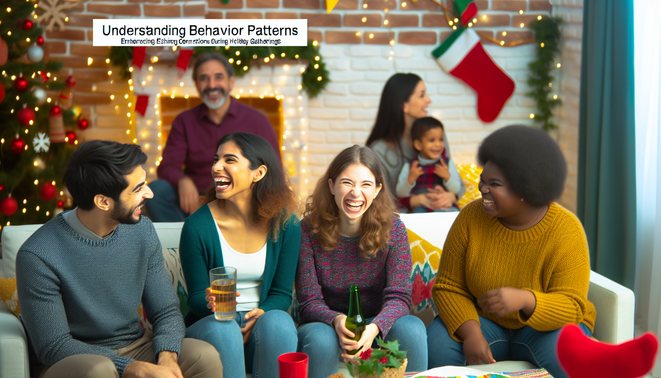
Understanding Behavior Patterns: The Psychology Behind Holiday Gatherings
During holiday gatherings, a variety of behavior patterns emerge that significantly shape interactions among family and friends. These patterns often revolve around individual socializing styles, methods of conflict resolution, and the importance of traditions. Understanding these patterns is essential for creating a nurturing and enriching environment during the holiday season.
Socializing Styles
People display diverse socializing behaviors during holiday events, influenced by their personality types and past experiences. Extroverts, for instance, tend to take the lead in engaging others in conversation and energizing the atmosphere. They thrive on interaction, often forming connections effortlessly, while introverts may prefer more intimate, one-on-one conversations instead of large group interactions. Understanding social styles can help family members navigate these interactions sensitively, creating a more inclusive environment.
Conflict Resolution
Conflicts can arise in any familial gathering due to differing opinions or past grievances. Observational studies suggest that effective conflict resolution at holiday gatherings often involves approaches like active listening, compromise, and humor. Some families prefer direct confrontation to air grievances, while others might adopt avoidance strategies, opting to maintain peace at all costs. Recognizing these conflicting strategies can shape how individuals approach disagreements, highlighting the need for emotional intelligence, as discussed in our article on navigating holiday interactions effectively.
Importance of Traditions
Traditions play a pivotal role in shaping the dynamics of holiday gatherings. They foster a sense of continuity and belonging, providing families with shared experiences that reinforce their identity. Whether it’s preparing specific dishes, engaging in particular games, or setting aside time for storytelling, these rituals enhance the communal bonds. The significance of traditions in reinforcing family ties is further elaborated in our piece on personal growth through family traditions. By recognizing the value of such practices, participants can help ensure that gatherings promote connection over conflict, ultimately making the holiday experience more rewarding for everyone involved.
Coping Mechanisms: Navigating Stressful Situations During Holidays
Navigating the stressful atmosphere of holiday gatherings can be daunting, but employing effective coping mechanisms can make a significant difference. Here are several strategies tailored to help you manage stress and anxiety related to social gatherings.
1. Preparation Techniques
- Plan Ahead: Anticipate potential stressors by preparing in advance. This might include making a list of topics to discuss or setting realistic expectations regarding interactions. Having a clear plan in mind can provide a sense of control.
- Time Management: Schedule your time wisely, allocating breaks amidst activities to recharge. Short respites can ease feelings of overwhelm, allowing for a calm and collected return to social interactions.
2. Mindfulness Practices
- Grounding Techniques: Engage in grounding approaches. One effective technique is the “5-4-3-2-1” method, which involves identifying five things you can see, four you can touch, three you can hear, two you can smell, and one you can taste, helping to divert focus from anxiety-inducing thoughts.
- Breathwork: Practice deep breathing exercises whenever stress creeps in. A simple inhalation through your nose, holding for a few seconds, and an exhalation through your mouth can calm your nervous system and center your thoughts.
3. Self-Care Practices
- Emotional Check-Ins: Take moments for self-assessment. Acknowledge your feelings, whether anxiety or stress, and remind yourself that it’s perfectly normal during holidays. Journaling your thoughts can also facilitate clearer self-reflection and emotional release. For instance, daily journaling prompts can aid in processing your experiences and expectations during holiday gatherings, enhancing your emotional well-being [Source: Tiny Journaling Prompts].
- Mindful Consumption: Pay attention to your dietary habits; excessive sugar and caffeine can increase anxiety levels. Opt for balanced snacks and hydration, which can stabilize mood and energy.
4. Social Strategies
- Buddy System: If attending a gathering feels intimidating, consider going with a friend. Having a supportive companion makes social interactions less daunting and provides an immediate source of comfort during challenging moments.
- Limit Exposure: Know your limits—a significant part of successful coping lies in recognizing when to excuse yourself from overwhelming situations. Prioritize your mental health over societal obligations.
Using these strategies, you can enhance your holiday experience, cultivating joy and connection while minimizing stress. For more insights on emotional intelligence in navigating holiday interactions effectively, check out this article [Source: Emotional Intelligence in Holidays].
Beyond the Surface: Recognizing Non-Verbal Cues in Social Interactions
Non-verbal communication, particularly body language, plays a pivotal role in social interactions, significantly influencing how messages are conveyed and perceived. Research indicates that a staggering 93% of communication effectiveness is determined by non-verbal cues, encompassing facial expressions, gestures, posture, and eye contact [Source: Business Insider]. These elements often communicate emotions and intentions more powerfully than words.
Understanding and recognizing non-verbal cues can greatly enhance your interpersonal skills. For instance, maintaining eye contact can signal interest and sincerity, while crossed arms might suggest defensiveness or disagreement. Moreover, non-verbal signals can reinforce verbal communication; a smile can emphasize a warm greeting or acknowledgment, creating a more inviting atmosphere in conversations [Source: Harvard Business Review].
Furthermore, body language varies across cultures, which can lead to misunderstandings in diverse settings. For example, while direct eye contact is considered a sign of confidence in many Western cultures, it might be perceived as disrespectful in some Asian cultures [Source: NIH]. Hence, being attuned to these differences is crucial for effective communication.
The impact of non-verbal communication extends to personal and professional relationships as well. Research suggests that positive non-verbal cues can strengthen bonds and build trust, while negative signals can lead to conflict and misunderstanding [Source: Psychology Today]. Therefore, honing the ability to read and respond to body language can facilitate smoother interactions, fostering stronger connections and better outcomes in social settings.
For further insights into improving your communication skills, consider exploring our articles on emotional intelligence and social intelligence exercises.
Cultivating Positive Interactions: Tips for a Harmonious Holiday Experience
To create a harmonious holiday gathering, nurturing positive interactions is essential. Start by fostering a warm, welcoming atmosphere—light candles, play soft music, and arrange seating to encourage conversation. Practicing active listening can make others feel valued; this means putting away distractions and sincerely engaging with each guest. Ask open-ended questions that prompt sharing experiences and feelings, which can deepen connections.
Expressing gratitude can significantly enhance the ambiance. Acknowledge and appreciate the presence of others—consider a toast or a simple, heartfelt thank you. Furthermore, practicing empathy during conversations can help navigate any sensitive topics; try to understand others’ perspectives without judgment.
Incorporating collaborative activities, such as group games or cooking together, can also strengthen ties. These shared experiences create memories and foster teamwork, making the gathering more special.
Lastly, being mindful of your body language—maintaining eye contact and smiling—can instill warmth and openness. For more insights on enhancing emotional connections, explore our post on understanding emotional intelligence during the holidays. This fosters a deeper appreciation for emotional dynamics that can significantly affect interpersonal relationships during your gatherings.
Key Takeaways
- Understanding behavior patterns during holiday gatherings enhances interpersonal interactions and contributes to a joyful atmosphere.
- Preparation techniques, such as planning ahead and managing time, can significantly reduce stress and anxiety.
- Awareness of non-verbal cues can improve communication and strengthen relationships during social interactions.
- Expressing gratitude and empathy fosters deeper connections among family and friends during the holidays.
- Practicing self-care and mindfulness can help individuals navigate stressors associated with holiday gatherings.
FAQ
What are some common misconceptions about behavior during holiday gatherings?
Many people mistakenly believe that holiday gatherings are solely about joyful celebrations, overlooking the potential for stress and anxiety. In reality, these events can exacerbate existing family tensions or personal insecurities, often leading to misunderstandings and conflicts. Another misconception is that everyone is deeply connected; however, many individuals might feel isolated or uncomfortable in large family settings, particularly if they struggle with social anxiety or complex family dynamics. Addressing these misconceptions can enable better preparation and emotional management during the holidays. For further insights, check out our article on Understanding Emotional Intelligence to Navigate the Holidays Effectively.
How can I effectively manage family dynamics during holiday gatherings?
Engaging in effective communication is key. Set clear expectations with family members before the gathering, and encourage open dialogue about any sensitive topics that may arise. Establishing boundaries is also crucial; know what subjects are off-limits to ensure a more enjoyable experience for everyone involved. Additionally, using emotional intelligence skills—such as empathy and active listening—can help de-escalate tense situations. Consider utilizing strategies such as taking breaks during the gathering to recharge, as this can be beneficial for individuals who find these events overwhelming. For more tips, refer to our guide on Tiny Journaling Prompts for Swift Self-Discovery and Growth.
What strategies can be employed to handle family stress during the holidays?
The holidays can amplify stress due to heightened emotional expectations and family obligations. To navigate this, practice mindfulness techniques such as deep breathing or meditation prior to or during gatherings. It can also help to maintain a focus on gratitude, reflecting on positive aspects of your life and the relationships you cherish. Finally, don’t hesitate to seek support from friends or professionals if the stress becomes unmanageable. For insights on emotional intelligence during stressful situations, review our article on Emotional Intelligence in the Workplace: Practical Psychology for Better Teams.
How can I prevent conflicts with family members during holiday gatherings?
To minimize conflicts, prioritize proactive communication. Address any anticipated tensions or previous disagreements calmly and respectfully before the gathering. Establish a plan with family members on how conflicts can be resolved if they arise, such as designating a neutral mediator who can help facilitate conversation without taking sides. Practicing active listening ensures that all voices are heard, which can prevent misunderstandings. If a situation escalates, take a step back and engage in a distraction or change of scenery to cool down. For more on this, see our strategies for Handling Family Conflicts During Holiday Gatherings.
Conclusion
Understanding behavior patterns is crucial for enhancing our holiday experiences. During this festive season, emotional intelligence plays a significant role in how we relate to others and ourselves, fostering deeper connections and enjoyment. When we recognize our own emotional responses and those of others, we can navigate social interactions more skillfully. For instance, research shows that heightened emotional awareness can lead to more fulfilling relationships and manage conflicts effectively, thereby enriching our celebrations [Source: Cerebral Quotient].
Moreover, being reflective of our behavior patterns allows us to enhance our decision-making processes, ultimately leading to more intentional celebrations. Self-awareness can help identify stress triggers or moments of discomfort, enabling us to adapt and ensure a joyful holiday atmosphere for ourselves and those around us. Engaging in practices such as journaling can facilitate this reflection, leading to swift self-discovery and growth, which are essential during the busy holiday season [Source: Cerebral Quotient].
Through understanding the interplay of emotions and behavior, we empower ourselves to create a holiday environment rich in love, connection, and joy. This knowledge not only enhances our personal experiences but also contributes to a collective sense of well-being, making the holidays a truly enriching time.
- Cerebral Quotient – Understanding Emotional Intelligence to Navigate the Holidays Effectively
- Cerebral Quotient – Tiny Journaling Prompts for Swift Self-Discovery and Growth
- Harvard Business Review – How Nonverbal Communication Affects Customer Experience
- Business Insider – What Percentage of Communication is Nonverbal?
- Psychology Today – How Nonverbal Communication Affects Relationships
- NIH – Cultural Differences in Nonverbal Communication
- Cerebral Quotient – Emotional Intelligence in the Workplace: Practical Psychology for Better Teams