
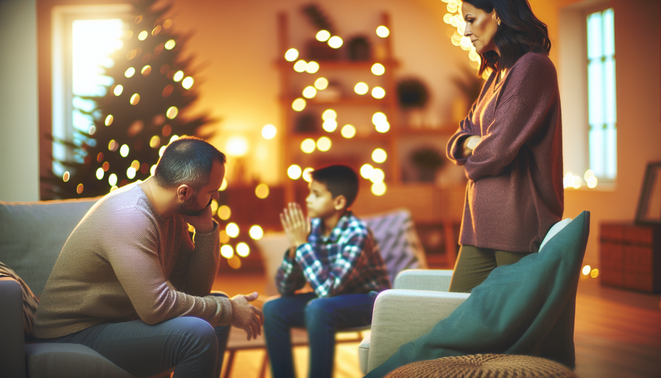
The Importance of Family Dynamics During the Holidays
If you’ve ever left a family gathering feeling drained or overwhelmed, you’re not alone. Holiday gatherings can trigger a complex web of interactions due to the many roles we play and the unique dynamics within families. Understanding family dynamics during the holidays is crucial for maintaining healthy relationships and individual well-being. The festive season often brings heightened emotions due to various stressors, including financial strains, family reunions, and increased expectations. These factors can lead to increased tensions, exacerbating pre-existing conflicts or creating new ones. (Source: Emotional Intelligence)
Moreover, recognizing how stress impacts our interactions during these moments is vital. The atmosphere surrounding family gatherings can evoke feelings of anxiety and pressure, especially when everyone is striving to meet expectations such as gift-giving or perfect dinner preparations. Listening and empathizing with each other during these times becomes essential in mitigating conflicts and fostering a supportive environment.
Common Family Dynamics: Roles and Relationships
Understanding the various roles within family gatherings can significantly enhance interactions. Family dynamics reveal diverse roles that shape interactions and experiences during holidays, such as:
- Caregiver: Usually the eldest sibling or parent, they manage logistics and ensure everyone feels comfortable. Their nurturing nature creates stability.
- Peacemaker: This diplomat seeks to diffuse tensions and promote harmony, encouraging open communication during conflicts.
- Rebel: Known for spontaneity, they challenge family norms and may lead to lively discussions, sparking new ideas or disagreements.
- The Clown: Using humor to lighten the mood, this family member reminds everyone to appreciate lighter moments amid potentially serious gatherings.
- The Overachiever: Often comparing accomplishments within the family, their competitive nature can lead to feelings of inadequacy, but also inspire excellence.
- The Quiet Observer: Typically an introverted family member, they may not speak much but offer valuable insights derived from their observations.
Reflecting on these roles can enhance emotional intelligence during holiday gatherings, allowing family members to appreciate each other’s contributions and motivations. For more tips on navigating holiday stress and enhancing family connections, explore our article on understanding emotional intelligence.
Navigating Conflicts: Tips and Strategies
Conflicts during family gatherings are inevitable, but with the right strategies, you can foster a more harmonious environment. Here are some practical tips:
- Practice Active Listening: Pay attention to what others say without immediately preparing your response. This shows respect and can de-escalate tensions.
- Stay Calm: Maintain a calm demeanor during disagreements, helping create a safer space for discussion.
- Set Boundaries: Clearly communicate your limits on topics that ignite past conflicts, allowing for smoother interactions.
- Use “I” Statements: Frame your concerns from your perspective to avoid sounding accusatory.
- Find Common Ground: Focus on shared interests or values to reduce tension.
- Take Breaks: If discussions become heated, suggest a short break to cool down.
- Be Willing to Compromise: Understand that flexibility can lead to mutually agreeable solutions.
- Follow Up: After resolving issues, check in with involved parties to demonstrate care.
For further insights into managing family dynamics, explore how emotional intelligence plays a role in navigating holiday stress (Source: Emotional Intelligence).
Creating a Positive Atmosphere
To foster a positive family atmosphere, it’s crucial to emphasize inclusivity and understanding. Some strategies to create a welcoming environment include:
- Encourage Open Communication: Create a safe space where every family member feels comfortable sharing thoughts and feelings.
- Celebrate Diversity: Acknowledge the unique backgrounds and interests of each family member.
- Establish Family Traditions: Simple rituals can significantly enhance family bonding through shared experiences.
- Practice Empathy and Understanding: Encourage active listening to build stronger relationships.
- Incorporate Fun and Humor: Use playfulness to break down barriers and create lasting memories.
- Volunteer Together: Engaging in community service deepens connections and nurtures a sense of purpose.
- Create a Family Mission Statement: Develop a statement reflecting your family’s values, revisiting it periodically.
- Utilize Technology Thoughtfully: Regular video calls can help maintain bonds, especially if distance separates family members.
Implementing these strategies can cultivate an atmosphere of warmth, inclusivity, and understanding.
Reflecting on Personal Dynamics
Reflecting on family dynamics can be a profound way to foster personal growth and improve relationships. Here are some introspective questions to consider:
- Communication Patterns: How do you communicate with family? Any noticeable patterns of avoidance or misunderstanding?
- Emotional Availability: Are you emotionally available to your family members and vice versa?
- Conflict Resolution: How do you typically respond to disagreements?
- Affection and Support: How often do you express love and support? Can you increase positive affirmations?
- Boundaries: Are your boundaries respected? How do you communicate them?
- Tradition and Change: Are there family traditions you feel should evolve?
- Empathy and Understanding: How do you practice empathy towards family members?
- Personal Reflection: What role do you believe you play in your family dynamics?
By reflecting on these questions, you can open the door for constructive conversations and meaningful changes. For related insights, check out our article on emotional intelligence to manage holiday stress.
Key Takeaways
- Understanding family dynamics is essential for minimizing conflicts and maximizing joyous moments during holiday gatherings.
- Recognizing different family roles can enrich the overall holiday experience, enhancing emotional intelligence.
- Navigating conflicts requires practical strategies like active listening, setting boundaries, and maintaining calmness.
- Creating a positive atmosphere stems from inclusivity, empathetic communication, and shared family traditions.
- Reflecting on personal dynamics can lead to personal growth and improved relationships within the family.
- Emotional intelligence plays a crucial role in managing stress and enhancing interactions throughout the holiday season.
FAQ
- What if my family has conflicts during gatherings?
Conflicts can arise due to differing opinions. Active listening and validating others’ feelings may help foster understanding and resolution. [Source: Emotional Intelligence] - How can I manage my expectations for holiday interactions?
Setting realistic expectations is key; remind yourself that not every family member will align with your ideal standards. Consider journaling your thoughts and feelings. [Source: Reflection & Journaling] - What role does emotional intelligence play in holiday gatherings?
Emotional intelligence fosters navigation of complex emotions, leading to improved communication and reduced misunderstandings. [Source: Emotional Intelligence] - How can I deal with generational differences in family views?
Promoting open discussions about values with respect can help understand and appreciate diverse perspectives without conflict. [Source: Relationships & Compatibility] - What are some strategies for keeping the peace during holiday meals?
Encourage positive discussions and possibly designate a neutral mediator to balance conversations and keep interactions respectful. [Source: Behavioral Patterns]
Conclusion
Understanding and improving family dynamics is essential for enjoying a fulfilling holiday experience. Effective open communication can help minimize conflicts and maximize joyful connections during family gatherings. By recognizing personality types and emotional needs, families can navigate areas of tension adeptly and create a nurturing atmosphere.
Embracing family dynamics not only contributes to smoother holidays but also sets the foundation for cherished connections that resonate long after the festivities. 🧠 Ready to take your family interactions to the next level?
Leave a Reply