
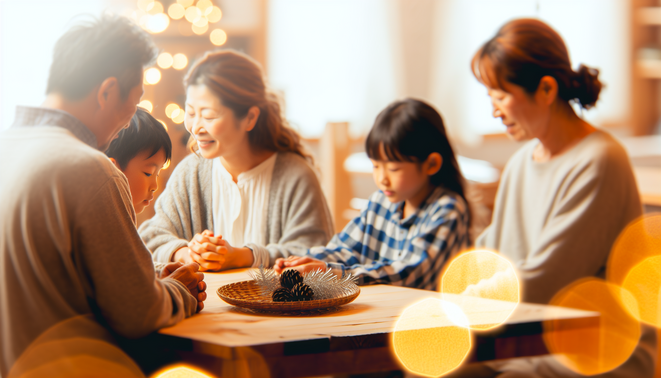
The Significance of Family Dynamics During the Holidays
Family dynamics play a crucial role during the holiday season, impacting our experiences in profound ways. Strong family relationships foster emotional support and security, which are particularly treasured during festive times known for their joy and stress. According to research, the quality of family interactions can significantly affect individual well-being, shaping emotional responses to holiday gatherings and activities. For instance, positive family dynamics can enhance feelings of belonging and happiness, while conflict or estrangement can lead to stress and anxiety.
The holidays often serve as a time for reflection on familial connections, prompting individuals to evaluate their relationships and the roles they play within them. Engaging in family traditions and rituals can strengthen bonds, reinforce shared values, and create lasting memories. It is essential to recognize that each family brings its unique set of dynamics influenced by personality types, past experiences, and cultural backgrounds. For a deeper understanding of how family interactions can affect emotional responses during the holidays, consider exploring materials on emotional intelligence, which highlight strategies for managing holiday-related stress.
Moreover, understanding individual differences in personality, such as those outlined in the MBTI framework, can enhance our appreciation of family dynamics. This understanding can be pivotal in adapting interactions to create more harmonious relationships during a time that can often be fraught with tension.
Common Family Dynamics and Their Challenges
Family dynamics can vary widely, particularly during the holiday season, which often magnifies existing tensions. Traditional families, typically consisting of biological parents and their children, face the typical pressures of increased expectation around interactions and shared traditions. Strains can arise from differing values or unresolved conflicts, often leading to emotional upheaval. For example, a study published in the Journal of Family Psychology illustrates how the emotional stress of the holidays can lead to significant conflicts over holiday planning and participation in traditions, resulting in hurt feelings and misunderstandings.
Blended families, on the other hand, encounter unique challenges. These families can include stepparents and stepsiblings, introducing a new level of complexity. The blending process requires sensitivity to differing family rituals and expectations, often leading to feelings of exclusion or rivalry, especially among children. Research shows that the holidays can amplify feelings of insecurity and competition among step-siblings, as traditions are shared or created anew [Source: American Psychological Association].
Holidays can also bring forth issues related to emotional intelligence, particularly in managing stress and navigating family interactions. Families with strong emotional intelligence skills typically enjoy more harmonious gatherings, as they can better handle the emotional landscape, understanding and respecting each family member’s feelings [Source: Cerebral Quotient].
Ultimately, whether within traditional or blended families, acknowledging and addressing these dynamics is crucial for fostering overall family harmony during the holiday period. For practical strategies, readers can explore more on tackling stress and enhancing relationships in holiday settings at our emotional intelligence resources [Source: Cerebral Quotient].
Navigating Tensions and Conflicts
During family gatherings, conflicts can arise due to differing opinions, past grievances, or simply the pressure of the occasion. Here are strategies to help navigate these tensions effectively:
- Establish Ground Rules for Communication: Before the gathering begins, agree on some basic communication rules. Encourage polite listening and discourage interrupting. This sets a respectful tone for discussions.
- Use “I” Statements: When discussing conflicts, express your feelings using “I” statements. For example, say “I feel unheard when you interrupt me” rather than “You always interrupt me.” This reduces defensiveness and opens up dialogue.
- Practice Active Listening: Make a conscious effort to listen actively to others without immediately formulating your response. Nod in acknowledgment and repeat back what you’ve heard to show understanding. This fosters empathy and can prevent misunderstandings.
- Take Breaks When Needed: If tensions rise, suggest a brief break for everyone to cool off. This pause allows for emotions to settle and can help individuals return to the conversation with a fresher perspective.
- Focus on Solutions: Shift the conversation from what went wrong to how to move forward. Ask open-ended questions like, “What can we do differently next time?” This encourages constructive thinking and emphasizes collaboration.
- Use Humor: When appropriate, light-hearted humor can diffuse tension and help reconnect family members. A playful remark about the situation can remind everyone not to take things too seriously.
- Set Realistic Expectations: Understand that not everyone will get along perfectly. Accepting that differences exist is key to managing expectations and maintaining peace during gatherings.
- Seek Outside Help if Needed: If conflicts become overwhelming, it might be beneficial to involve a neutral party, such as a family friend, to mediate the discussion and guide towards resolution.
By implementing these strategies, family gatherings can become more harmonious, allowing everyone to enjoy their time together. For additional insights on emotional intelligence that can help during stressful family interactions, check out our article on understanding emotional intelligence for a stress-free holiday season.
Creating New Traditions and Memories
Creating new holiday traditions is an enriching way for families to bond and foster inclusivity. Here are some suggestions to inspire new traditions:
- Family Recipe Sharing: Encourage each family member to contribute a dish that holds personal significance, fostering connections through storytelling about why each recipe is special. This practice can help blend different cultures and family histories.
- Volunteer Together: Set aside a day during the holiday season to volunteer as a family. Whether at a local shelter, food bank, or charity event, giving back promotes empathy and unity among family members.
- Themed Costume Nights: Plan an evening where everyone dresses up according to a fun theme, be it a historical era, movie characters, or even favorite colors. This lighthearted approach can spark laughter and creativity, making cherished memories.
- Gratitude Jar: Create a family gratitude jar where members can drop in notes of things they are thankful for throughout the year. Reading these notes together during holiday gatherings can enhance feelings of appreciation and connection.
- Cultural Exchange: Invite family members from different cultural backgrounds to share their holiday traditions. This can create a rich tapestry of experiences and foster a deeper understanding and respect for each other’s heritage.
- Monthly Family Challenges: Introduce fun challenges or activities each month leading up to the holidays, such as a baking contest, a charity run, or a game night. These shared goals can strengthen family ties.
- Memory Tree: Instead of traditional ornament decoration, create a memory tree where family members hang notes or photos of their favorite moments from the past year. It becomes a living reminder of shared experiences and gratitude.
By incorporating these ideas, families can create lasting traditions that not only celebrate the holidays but also enhance their bonds in meaningful ways. For more insights on fostering emotional connections, check out our article on navigating holiday stress.
The Role of Communication in Family Dynamics
During the holiday season, families often gather to celebrate, but these events can also bring underlying tensions to the surface. Open communication is crucial in navigating these dynamics. When family members engage in honest conversations, it fosters understanding and strengthens relationships. This transparency allows individuals to express their needs and emotions, which can reduce misunderstandings and mitigate conflict (Psychology Today).
Furthermore, emotional expression becomes paramount as it cultivates a supportive environment where members feel valued and heard. Studies suggest that families that share their feelings constructively tend to have healthier interactions and a stronger bond (National Institutes of Health). Inevitably, the holidays can evoke stress and emotional turmoil; thus, equipping families with effective communication tools can alleviate seasonal strains (Cerebral Quotient).
Encouraging open dialogues about expectations and emotions can help preempt conflicts, making it easier to enjoy the festivities. Remembering to listen and validate each other’s feelings lays the groundwork for an enriching family experience during the holidays.
Supporting Each Other: Tips for Family Members
Understanding family dynamics and supporting each other is vital, especially during the hustle and bustle of the holiday season. Here are some practical strategies to help family members support one another:
- Create a Family Support Plan: Before the holiday season, have a family meeting to discuss potential stressors and agree on a plan that includes roles and responsibilities. This proactive approach can reduce anxiety during interactions. [Source: Cerebral Quotient]
- Communicate Openly: Establish open lines of communication among family members. Encourage everyone to share their feelings or concerns without fear of judgment, fostering a supportive environment. [Source: Cerebral Quotient]
- Practice Mindfulness Together: Incorporate mindfulness practices such as deep breathing or meditation as a family. These activities can help everyone stay grounded and manage stress effectively. [Source: Cerebral Quotient]
- Set Boundaries: Encourage family members to set personal boundaries regarding time spent with relatives or topics of conversation. Having these agreements ensures everyone feels comfortable and respected. [Source: Cerebral Quotient]
- Participate in Fun Activities: Plan light-hearted, fun activities together that can divert attention from stress. Whether it’s playing games, cooking, or going out for a walk, these interactions can enhance bonding. [Source: Cerebral Quotient]
- Be Kind and Flexible: During stressful times, remember that emotions can run high. Encourage family members to practice kindness and flexibility, allowing for grace rather than rigidity in expectations. [Source: Cerebral Quotient]
- Seek Professional Support if Needed: If holiday interactions become overwhelmingly stressful, don’t hesitate to suggest professional family counseling. External support can provide tools for handling family dynamics constructively. [Source: Cerebral Quotient]
Coping with Loss and Change
Navigating feelings of grief and significant changes during the holiday season can be particularly challenging for families, especially when missing loved ones. Here are some effective strategies to help cope with these difficult emotions:
- Acknowledge your grief: It’s important to recognize and accept your feelings. Allow family members to express sadness and reminisce about those who are no longer present, fostering an environment of open communication.
- Create new traditions: Integrating new activities can provide a sense of purpose and connection. This might include celebrating in different ways or incorporating old traditions that honor the memory of the loved one.
- Set boundaries: Prioritize your emotional well-being by setting limits on social engagements or family gatherings that might feel overwhelming. It’s okay to say no and take time for self-care.
- Connect with others: Reach out to friends or support groups who can empathize with your experience. Sharing stories and experiences with others who understand can be comforting.
- Engage in acts of kindness: Consider volunteering or giving back during the holidays. Performing acts of kindness in memory of a loved one can provide a sense of connection and purpose.
- Practice mindfulness and self-care: Incorporate mindfulness practices, such as meditation or journaling, to help process emotions. Self-care routines can be beneficial in managing stress and promoting overall well-being.
- Use resources and support: Don’t hesitate to utilize professional support if needed. Therapists or grief counselors can provide guidance tailored to your family’s unique situation.
This holiday season, focusing on healing and honoring memories can foster resilience amidst change. For more insights on managing holiday stress, check Understanding Emotional Intelligence to Navigate Holiday Stress.
Key Takeaways
- Family dynamics significantly influence emotional experiences during the holidays, impacting well-being.
- Understanding personality types can enhance interactions and help navigate tensions within families.
- Establishing communication ground rules can foster respectful discourse and improve conflict resolution.
- Creating new family traditions promotes inclusivity and strengthens bonds among family members.
- Encouraging open dialogue about feelings and expectations helps alleviate holiday stress.
- Effective coping strategies can support families dealing with loss or significant changes during the festive season.
FAQ
1. How can I manage family conflicts during the holidays?
Navigating family dynamics can be challenging during the holidays. It’s essential to prioritize open communication and set clear boundaries. When disagreements arise, try to listen actively and empathize with each family member’s perspective. For helpful strategies on managing these conflicts, check out our article on understanding emotional intelligence to navigate holiday stress.
2. What if I have different traditions than my family?
It’s common for family members to have varying traditions. Approaching these differences with respect and a willingness to incorporate each other’s customs can enhance the holiday experience. Discussing and blending traditions can create new family memories—a topic we explore further in understanding archetypes to enrich our holiday connections.
3. How can I handle family members who don’t get along?
Creating a pleasant environment when tensions exist is crucial. Consider establishing separate areas for family members who may clash, or plan activities that engage everyone without forcing interaction. Introducing structured activities can divert attention from conflicts. Our guide on navigating the dynamics of holiday gatherings discusses this further.
4. What if I feel overwhelmed by holiday gatherings?
It’s normal to feel overwhelmed during busy holiday periods. Allocate specific time for yourself amidst the festivities to recharge. Techniques like mindfulness, as highlighted in our article on soothing holiday stress with emotional intelligence, can be incredibly effective.
5. How can I be supportive of family members dealing with grief or loss?
Supporting grieving family members requires sensitivity. Acknowledge their feelings and offer your presence rather than attempting to change their emotional state. Sharing cherished memories can also be a comforting way to honor lost loved ones. Explore more about navigating these situations in our piece on building emotional intelligence for meaningful holiday relationships.
Conclusion
Understanding and improving family dynamics during the holiday season is crucial for fostering a harmonious and fulfilling family environment. Holidays often amplify emotions, making it a prime time to address underlying issues that can affect family relationships. By actively engaging in better communication and empathy, family members can create enriching experiences that reinforce connections, turning stressful gatherings into joyful ones.
Research has shown that emotional intelligence plays a significant role in managing holiday stress and enhancing interpersonal dynamics. Families that practice mindful communication and emotional awareness typically report stronger bonds and greater satisfaction during gatherings [Source: Cerebral Quotient].
Reflecting on one’s own family experiences can illuminate personal growth areas and encourage positive changes. Each family is unique, and by identifying what works — and what doesn’t — individuals can contribute to healthier family dynamics. Embracing this reflective approach can lead to deeper understanding and often sets the foundation for lasting change beyond the holiday season.
Ultimately, taking the time to nurture these relationships not only enriches the holiday experience but also creates lasting memories and strengthens family ties for years to come. For additional insights, explore our articles on enhancing emotional intelligence during gatherings, such as this one.
- Cerebral Quotient – Understanding Emotional Intelligence to Navigate Holiday Stress
- Cerebral Quotient – The Impact of MBTI on Holiday Celebrations: Enhancing Connections Through Personality Insights
- Cerebral Quotient – Emotional Intelligence Resources
- American Psychological Association – Journal of Family Psychology
- American Psychological Association – Blended Families During the Holidays
- Psychology Today – The Power of Communication in Family Relationships
- National Institutes of Health – Family Communication and Emotional Well-Being
- Cerebral Quotient – Cultivating a Growth Mindset: Kickstart Your New Year with Confidence
- Cerebral Quotient – Building Stronger Relationships During the Festive Season
- Cerebral Quotient – Navigating Holiday Emotions: The Essential Role of Emotional Intelligence