
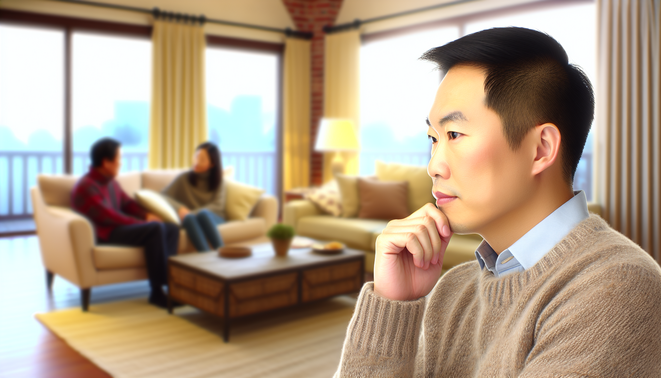
Navigating the Holiday Maze: Understanding Family Dynamics
If you’ve ever gathered around the table during the holidays and felt the tension brewing beneath the surface, you’re not alone. Family dynamics are often a complex tapestry woven from years of history, interaction styles, and individual personality traits. During the festive season, these dynamics can shift dramatically, creating both challenges and opportunities for connection. One common challenge families face is the rekindling of old conflicts or resentments that surface during gatherings. These emotions can be exacerbated by stressors unique to the holiday season, such as expectations around gift-giving, hosting, and socializing. For example, familial relationships can become strained if individual perspectives and needs aren’t acknowledged, leading to misunderstandings and heightened tensions [Source: Emotional Intelligence].
However, the holidays also present a prime opportunity for healing and reconnection. Celebrations can serve as a catalyst for open communication and vulnerability, fostering deeper emotional ties. Families can utilize shared traditions and experiences as a springboard for meaningful conversations that reinforce bonds [Source: Building Relationships]. Understanding personality dynamics can be especially crucial; different personality types approach conflict and connection in unique ways. For instance, introverts may require quiet moments to recharge, while extroverts may thrive in social settings. Recognizing these differences can help family members navigate interactions more effectively [Source: MBTI and Holiday Interactions].
The Roles We Play: How Family Archetypes Influence Our Interactions
Everyone plays a role in the family dynamic, and understanding these archetypes can shed light on how we interact during the holidays. Family interactions often showcase a tapestry of archetypes that influence the dynamics of communication and relationships. Key roles typically include the caregiver, the peacekeeper, the challenger, and the rebel. The caregiver often takes on nurturing responsibilities, fostering a supportive environment. This role can enhance feelings of security but may also lead to dependency dynamics.
- The Peacekeeper: Strives to maintain harmony, often avoiding conflict, which can suppress genuine communication and create unspoken tensions.
- The Challenger: Voices opinions that disrupt comfortable routines, prompting deeper discussions—but also conflict, leading to growth.
- The Rebel: Resists family norms and expectations, injecting spontaneity into gatherings, which can create friction if met with resistance
Understanding these archetypes is crucial. For instance, recognizing the peacekeeper’s tendency to avoid conflict can help family members approach sensitive topics more delicately, fostering healthier interactions. Similarly, the caregiver could benefit from boundaries to avoid burnout. Acknowledging and navigating these archetypes can enable families to create more meaningful and harmonious connections during the holidays [Source: Understanding Archetypes].
Managing Expectations: Balancing Tradition and Change
Balancing tradition and change during family gatherings requires honoring past customs while being receptive to new ideas. Embracing flexibility is key to fostering harmony among family members. One effective approach is to involve all family members in the planning process; this inclusivity helps ensure everyone feels heard and valued, which can mitigate tension over differing opinions.
Instead of rigidly adhering to a specific meal or activity, families might opt for a potluck-style gathering where each member contributes something meaningful, reflecting their personal touch. Incorporating new traditions can also create excitement while retaining the essence of long-established practices. For instance, families can maintain the ritual of sharing stories from the past but complement it with technology, like creating a family video montage [Source: Emotional Intelligence During Thanksgiving].
Conflict Resolution: Turning Tension into Understanding
Conflicts during family gatherings are common but can be navigated effectively with specific strategies:
- Stay Calm and Grounded: Take deep breaths or step outside for a few moments if you feel overwhelmed.
- Active Listening: Make eye contact, nod, and paraphrase what the other person has said to ensure understanding.
- Use “I” Statements: Frame your feelings using “I” statements to avoid placing blame.
- Empathy and Understanding: Acknowledge the other person’s feelings and validate their experiences.
- Set Boundaries: If the conversation becomes too heated, suggest revisiting it later.
- Seek Common Ground: Focus on shared interests rather than disagreements.
- Offer Solutions: Collaboratively brainstorm resolutions to address concerns.
For more tips on managing emotional dynamics effectively during family gatherings, see our article on navigating holiday stress with emotional intelligence.
Creating Meaningful Connections: Strengthening Bonds During the Holidays
Consider strategies that blend activities and meaningful conversations to strengthen bonds among family members during the holidays:
- Themed Family Nights: Organize themed family nights around holiday traditions or cultures.
- Collaborative Activities: Engage in projects like baking cookies or crafting decorations together.
- Gratitude Circles: Establish a ritual where each family member shares something they are grateful for.
- Storytelling Sessions: Encourage storytelling to reminisce about cherished memories.
- Game Nights with a Twist: Incorporate conversation-driven games that encourage laughter and insights.
- Offer Help: Assist family members who might be feeling overwhelmed during the holiday rush.
- Check-in Conversations: Create moments for one-on-one conversations with family members.
Implementing these strategies can significantly improve the quality of interactions among family members during the holiday season. For more insights on building emotional intelligence to facilitate meaningful connections during holidays, check out our article on understanding emotional intelligence.
Making Time for Yourself: The Importance of Self-Care amid Family Gatherings
During busy holiday seasons, it’s vital to prioritize self-care to maintain both emotional well-being and the harmony of family dynamics. Family gatherings can bring about stress and emotional turbulence, making it essential to carve out time for yourself. Engaging in self-care practices helps reduce anxiety and enhances your capacity to interact positively with loved ones. Activities such as taking quiet moments for reflection, pursuing hobbies, or simply enjoying some personal downtime can recharge your emotional batteries. According to psychologists, “self-care is not a luxury but a necessity, particularly during times of high emotional demand” [Source: Psychology Today].
Furthermore, practicing self-care can improve the overall family atmosphere. When you take care of your emotional health, you model healthy behaviors for other family members. Maintaining personal boundaries during gatherings is another effective self-care strategy; ensure you communicate your needs clearly to avoid feelings of overwhelm [Source: NCBI]. Incorporating mindfulness techniques, such as deep breathing or meditation, can also help maintain your composure amidst holiday chaos [Source: Mindfulness.org].
Key Takeaways
- Understanding individual personalities helps approach interactions thoughtfully during family gatherings.
- Open communication about holiday plans and expectations can mitigate misunderstandings.
- Creating space for emotions fosters a supportive environment during family interactions.
- Embracing flexibility during gatherings allows for a more enjoyable and spontaneous experience.
- Establishing traditions strengthens family bonds and creates shared memories.
FAQ
How can I handle family disagreements during the holidays? Focus on practicing active listening and empathy. Acknowledge differing perspectives, and suggested breaks to regroup if tensions rise [Source: Cerebral Quotient].
What should I do if I feel overwhelmed by family dynamics? Set boundaries by determining your time limits and ensure to include time for self-care. Practicing mindfulness can help ease stress [Source: Cerebral Quotient].
How can I engage family members who have very different personalities? Use personality insights to guide your conversations and allow for varied communication styles. For instance, those high in Agreeableness may enjoy cooperative discussions [Source: Cerebral Quotient].
What are some strategies for handling stress during family gatherings? Anticipate potential triggers and devise strategies to address them positively. Engage in proactive communication to mitigate stress [Source: Cerebral Quotient].
Is it okay to step away from difficult situations? Absolutely! Prioritize your mental health by excusing yourself politely to regroup [Source: Cerebral Quotient].
Conclusion
Recognizing and nurturing family relationships during the holiday season plays a pivotal role in creating a rich and fulfilling experience. These gatherings often serve as a mirror reflecting our familial bonds and emotional health, enhancing both personal well-being and collective joy. Research underscores that strong family connections during holidays can buffer against stress, fostering resilience amid seasonal pressures [Source: Emotional Intelligence].
By prioritizing these relationships and seeking to understand each other’s perspectives, we can enhance the quality of our holiday celebrations and cultivate memories that last a lifetime. Understanding emotional intelligence plays an essential role in managing holiday complexities and ensuring inclusive celebrations [Source: Emotional Intelligence]. In essence, fostering healthy family dynamics during the holidays offers numerous psychological benefits—transforming gatherings into nurturing spaces where love, support, and joy abound.
- Cerebral Quotient – Understanding Emotional Intelligence to Navigate Holiday Stress
- Cerebral Quotient – Understanding Archetypes to Enrich Our Holiday Connections
- Cerebral Quotient – Building Stronger Relationships During the Festive Season
- Cerebral Quotient – Building Emotional Intelligence for Meaningful Holiday Relationships
- Cerebral Quotient – How Your MBTI Personality Type Influences Holiday Interactions
- Psychology Today – Self-Care: Why It Matters More Than Ever
- Mindfulness.org – Mindfulness Resources
- NCBI – Self-Care Practices