
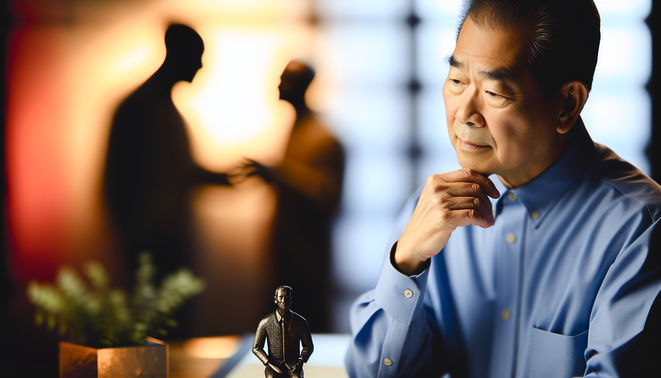
Navigating Family Roles: Understanding Expectations
Family gatherings during the holidays often bring a unique set of dynamics influenced by the various roles family members assume. Understanding these roles can significantly enhance interactions and improve the overall atmosphere of gatherings.
The caregiver plays a nurturing role, often ensuring that everyone is comfortable and well-fed. This person may handle the cooking, setting the table, or hosting duties, which can create a warm, welcoming environment. Studies show that caregivers often experience stress, especially during the holidays, as they balance their responsibilities with the expectations of others [Source: Cerebral Quotient].
Then, there’s the peacemaker, whose role is to diffuse tensions that may arise during family gatherings. This person is often attuned to emotional cues and may use humor or supportive comments to smooth over conflicts. Research indicates that peacemakers help maintain harmony, which can positively influence family relationships and interactions [Source: Cerebral Quotient].
Lastly, the planner organizes and coordinates logistics. This person decides on the gathering’s details and helps facilitate smooth interactions. However, they can also feel overwhelmed by the weight of their responsibilities. Proper role distribution and support can enhance collective satisfaction and reduce the stress often associated with planning family events [Source: Cerebral Quotient].
By recognizing and communicating about these roles, family members can foster an atmosphere that promotes understanding and connection, leading to more enjoyable holiday experiences. For insight on managing stress during these gatherings, see our article on navigating holiday stress.
Communication Styles: The Key to Connection
Understanding different communication styles is critical for fostering healthy relationships, especially during holiday gatherings when emotions can run high. Effective communication involves not just speaking but also attentive listening. Tailoring your approach to the personalities present can enhance connection and reduce misunderstandings.
- Identify Your Style: Different personalities—be it assertive, passive, or aggressive—affect how people express themselves. Recognizing your own style can help you adjust your communication based on the dynamics of the gathering. For instance, if you’re direct and someone else is more reserved, consider softening your approach to encourage an open dialogue.
- Active Listening: This technique fosters connection. Showing genuine interest in others’ thoughts can de-escalate potential conflicts. Nodding, maintaining eye contact, and summarizing what others say can demonstrate that you value their input, making discussions more fruitful.
- Use “I” Statements: When discussing sensitive topics, frame your feelings using “I” statements, such as “I feel upset when…” instead of “You always…”. This practice takes the edge off confrontations and invites a more empathetic response from the other person.
- Stay Calm and Open: Holidays can evoke stress and nostalgia. Practicing emotional regulation techniques can help keep a level head. Deep breathing or taking a brief walk can provide the necessary space to gather your thoughts before engaging in difficult conversations.
- Set Boundaries: If certain topics lead to conflict, setting clear boundaries ahead of time can prevent uncomfortable situations from arising. It’s perfectly acceptable to communicate that you prefer to avoid sensitive subjects during festivities.
By understanding communication styles and employing these techniques, you can navigate holiday gatherings with greater ease and connection. For more insights on enhancing emotional intelligence during the holiday season, check out our guide on Managing Holiday Stress Effectively.
Managing Conflict: Strategies for a Peaceful Gathering
When managing conflict during family gatherings, implementing effective strategies is essential for maintaining harmony. Here are some practical tips:
- Establish Ground Rules: Before the gathering, set clear expectations about how disagreements will be handled. Agree to keep discussions respectful and to avoid personal attacks. This sets a positive tone for the event.
- Practice Active Listening: Encourage family members to listen actively. This means not only hearing but also understanding the speaker’s perspective. Reflecting back what has been said can also help clarify intent and reduce misunderstandings.
- Stay Calm and Composed: Emotions can run high during family gatherings. Encourage everyone to take deep breaths and to remain calm. If conflicts escalate, suggest a brief break to cool down before returning to the discussion.
- Use “I” Statements: Encourage family members to express their feelings without blaming others. For instance, “I feel upset when…” is more constructive than “You always make me feel upset.”
- Seek Compromise: Encourage a solution-focused approach where family members brainstorm potential compromises. The goal is to find middle ground, which can help resolve the dispute without leaving anyone feeling unheard.
- Redirect the Conversation: If a disagreement becomes too intense, gently steer the conversation towards lighter topics or positive memories. This can diffuse tension and foster a more pleasant atmosphere.
- Follow Up After the Gathering: After the event, check in with any family members who may have felt hurt or upset. This shows that you care and are willing to support them, reinforcing relationships rather than leaving lingering animosities.
By integrating these strategies, families can navigate conflicts gracefully, ensuring a more enjoyable gathering for everyone. For more insights on using emotional intelligence in challenging situations, check out our article on emotional intelligence during holiday gatherings.
Creating New Traditions: Adapting to Change
Family traditions have long been the glue that binds generations, offering comfort and continuity. However, as families grow and evolve, the need to adapt these traditions becomes essential for inclusivity and enjoyment. Here are some strategies to create new traditions while honoring longstanding practices.
- Reevaluate the Traditions: Begin by assessing which traditions resonate with all family members. Hold a family discussion to identify what practices are most cherished and which might feel outdated or exclusive.
- Inclusivity is Key: As families blend through marriage, partnerships, or adoption, it’s important to honor diverse backgrounds and preferences. Incorporate traditions from different cultures to create a richer, more inclusive experience. For example, if one partner celebrates a specific holiday in a unique way, find ways to blend that into your existing traditions.
- Create New Customs: Don’t hesitate to innovate. If the typical holiday dinner feels burdensome, introduce a potluck-style meal where everyone brings their favorite dish. This not only reduces stress but also allows each person to contribute personally.
- Focus on Experiences: Shift the emphasis from material gifts to shared experiences. Organize family outings, game nights, or volunteer together for a charitable cause. Such experiences can create meaningful memories that will be cherished in the years to come.
- Document and Share: Keep a tradition journal to track newly established customs. Encourage family members to contribute stories or photos. This serves as a wonderful keepsake for future generations and fosters a sense of belonging.
In adapting family traditions, remember that the goal is to foster connection and joy among family members. By embracing change and inclusivity, you can enrich the holiday season for everyone involved. For tips on managing the emotional aspects of the festive season, explore our article on understanding emotional intelligence during the holidays.
Emphasizing Gratitude: Fostering Positive Connections
Gratitude plays a significant role in enhancing family bonds and improving dynamics, especially during the holiday season. Research highlights that expressing gratitude can foster deeper connections among family members by cultivating a positive atmosphere that encourages supportive interactions. When families take the time to express appreciation for one another, they not only strengthen their relationships but also promote a sense of belonging and emotional safety.
To cultivate a grateful mindset during the holidays, families can implement a few simple practices. Begin by creating a tradition of sharing things each member is thankful for during holiday gatherings. This could be around the dinner table or in a casual family meeting. Additionally, incorporating gratitude journaling can be a powerful tool—encourage everyone to write down daily or weekly reflections on what they are grateful for. This personal practice can help shift focus from stressors to the positives in life. Lastly, making an effort to actively show appreciation through small gestures, such as writing thank-you notes or performing acts of kindness, can reinforce a gratitude-rich environment among family members.
Ultimately, fostering gratitude not only enhances personal connections but also contributes to a more harmonious holiday experience, allowing families to gather and celebrate their togetherness with joy and appreciation. For further insights on managing family dynamics during the holidays, consider exploring strategies in articles like Building Stronger Relationships During the Festive Season and Emotional Intelligence: Your Secret Weapon for Peaceful Holiday Gatherings.
Key Takeaways
- Understanding family roles can enhance interactions and create a positive atmosphere during gatherings.
- Adjusting communication styles according to family dynamics fosters deeper connections and reduces misunderstandings.
- Implementing conflict management strategies helps maintain harmony and supports healthy relationships.
- Adapting family traditions encourages inclusivity and revitalizes the joy of holiday celebrations.
- Fostering gratitude within the family enhances bonds and enriches the holiday experience.
FAQ
- How can I manage family conflicts during holiday gatherings?
Family conflicts are common during holidays, often fueled by prior disagreements or stress. To manage this, strive for open communication. Consider setting ground rules before gatherings, such as avoiding sensitive topics. Additionally, practicing active listening can help ensure everyone feels heard, reducing tensions. For more strategies on managing holiday stress, check out our article on navigating holiday stress effectively. - What should I do if I feel overwhelmed by family expectations?
It’s perfectly normal to feel overwhelmed by expectations, whether related to traditions or gift-giving. Setting realistic boundaries can be beneficial. Communicate your limits clearly and consider alternative ways to celebrate that feel authentic to you. Learn more about cultivating a stress-free holiday season in our insights on managing holiday stress. - How can I ensure everyone feels included during family events?
Inclusivity is about recognizing and valuing each family member’s presence. Make an effort to engage everyone by planning activities that cater to diverse interests and backgrounds. Asking for input before the gathering can also foster a sense of belonging. For tips on enhancing connections during holiday gatherings, explore building stronger relationships during the festive season. - What are some strategies for dealing with difficult family members?
Handling difficult family members can be challenging. One effective strategy is to maintain emotional distance; try not to take their behavior personally. Focus on your responses instead of their actions, and use techniques like deep breathing to stay calm. For further reading on behavioral patterns in family dynamics, check our guide on improving holiday interactions. - How to navigate differing holiday traditions within my family?
Blending different holiday traditions can enrich family gatherings. Approach this with openness—collaborate with family members to create new traditions that respect everyone’s background. Active discussion and compromise can lead to more fulfilling experiences for all. For insights on navigating cultural differences, refer to our article on navigating cultural differences during holidays.
Conclusion
Understanding family dynamics is crucial for fostering joy and fulfillment during the holiday season. By grasping the varied roles, communication styles, and emotional needs within your family, you can enhance the overall experience of gatherings. Emotional intelligence plays a significant role here. It allows you to navigate heightened emotions, address conflicts constructively, and enhance connections with family members. As you approach these relationships, consider utilizing effective strategies such as open dialogue—a practice that can mitigate misunderstandings and foster a more harmonious atmosphere.
Furthermore, planning inclusive activities and respecting individual differences can create a more enjoyable environment for everyone. Implementing these insights isn’t just beneficial; it can transform your holiday experiences into cherished moments that strengthen familial bonds. It’s also helpful to be aware of your own emotions and triggers, ensuring that responses are measured and compassionate, rather than reactive. By prioritizing understanding and empathy, you invite a spirit of joy and fulfillment that can resonate throughout your holiday season.
Explore more on how effective emotional intelligence can enhance your family gatherings in our article on navigating holiday emotions.