
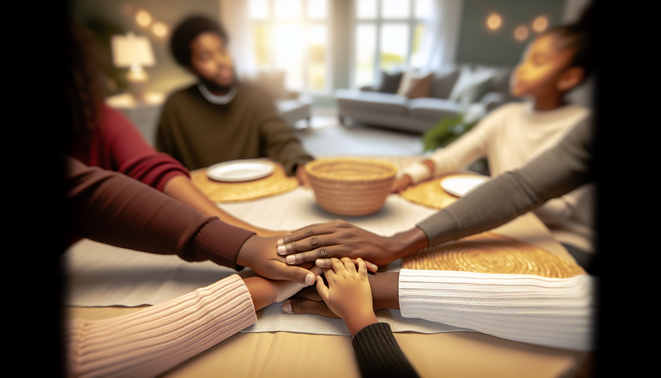
Understanding Family Interactions During Festive Times
If you’ve ever left a family gathering feeling a mix of joy and tension, you’re not alone. The festive season often brings families together, creating an atmosphere ripe for both cherished memories and challenging interactions. It’s crucial to recognize that these gatherings can amplify both positive and negative feelings, making it essential to equip ourselves with emotional intelligence skills to navigate this complex terrain effectively.
Understanding how emotional intelligence influences family dynamics can help foster a harmonious environment during holidays. Positive relationships can serve as protective factors against stress, particularly during the often high-pressure holiday season. In fact, studies suggest that supportive family environments promote overall mental health, allowing us to enjoy more rewarding interactions with our loved ones [Source: Emotional Intelligence].
The Roles We Play in Family Dynamics
During the holidays, family members often embody specific roles that significantly influence the gathering dynamics. For example, the organizer manages the planning and logistics, creating a smoother experience for everyone. Meanwhile, the peacemaker works to resolve conflicts, ensuring harmony is maintained. This role is critical, especially when tensions run high.
- The caretaker focuses on the well-being of others, often cooking or attending to guests, fostering connections among family members.
- The jokester lightens the mood and helps ease tension, making stressful moments more enjoyable.
However, these roles can lead to tension when expectations are misaligned. For example, if the organizer feels unappreciated, or if the peacemaker faces continual conflict, these dynamics can strain familial relationships. Learning how to embrace these roles while understanding the resulting impact can lead to more enjoyable family gatherings [Source: Navigating Holiday Stress].
Effective Conflict Resolution Strategies
Recognizing and managing conflicts during family gatherings requires specific strategies aimed at fostering harmony. Here are several approaches to consider:
- Active Listening: Encourage family members to share their feelings without interruptions. This fosters understanding and decreases miscommunication. Reflective listening can help validate their emotions.
- Open Communication: Establish an environment where everyone can discuss concerns openly, preventing issues from escalating later.
- Establish Boundaries: Encourage clear communication of personal boundaries to create respect within the family.
- Focus on Solutions: Shift the focus from blaming to collaborating on solutions that satisfy everyone involved.
- Use “I” Statements: Encourage expressing feelings through “I” statements to minimize defensiveness.
- Take a Timeout: If emotions escalate, stepping away can help calm the situation for a productive discussion later.
- Seek Professional Help: If needed, a family therapist can provide tools and strategies to improve family dynamics.
Implementing these strategies can not only help families navigate conflicts but also strengthen their relationships [Source: Understanding Emotional Intelligence].
Creating an Inclusive Family Environment
To promote a supportive atmosphere, consider the following tips:
- Open Communication: Foster an environment where everyone feels safe sharing their feelings through regular family discussions.
- Respect Differences: Appreciate individual personalities and traits, as understanding these can enhance familial empathy and cooperation [Source: MBTI Insights].
- Establish Family Traditions: Create traditions that are inclusive, fostering a sense of belonging among all family members.
- Encourage Collaboration: Involve everyone in family projects to promote teamwork and reinforce each member’s importance to the family.
- Practice Kindness and Gratitude: Regularly expressing appreciation can significantly strengthen relationships.
- Address Conflicts Constructively: Model respectful discussion of disagreements to encourage fair outcomes.
- Create Inclusive Spaces: Ensure a comfortable home environment that reflects everyone’s tastes.
Incorporating these strategies into daily family life enables each member to thrive during festive gatherings [Source: Enhancing Relationships].
The Importance of Open Communication
Open communication is crucial for harmony in family settings, allowing for idea exchange, prompt issue resolution, and trust building. Research indicates that when communication lines are open, individuals feel valued, thus enhancing their connections with one another [Source: NCBI].
In family dynamics, open communication supports collaboration and collective problem-solving. Studies show that families practicing transparent communication are more successful in navigating conflicts and achieving joy during holiday gatherings [Source: Harvard Business Review].
Creating a culture of open communication involves active listening, feedback, and constructive dialogue. Leaders within the family can model these behaviors, enhancing unity and purpose [Source: Mind Tools].
Unique Challenges for Blended Families
Blended families often confront unique dynamics, particularly during the holidays. Divided loyalties among children can complicate celebrations, making shared traditions crucial for unity. Establishing inclusive customs allows children to feel supported and connected to all family members.
Being mindful of each family member’s emotions is vital in addressing such feelings of discomfort. Pre-holiday family meetings to outline expectations can foster open discussions about how to create enjoyable celebrations for everyone involved. Flexibility and communication are equally essential; addressing conflicts promptly can prevent misunderstandings [Source: Understanding Archetypes].
Embracing Family Traditions
Embracing diverse traditions within families can enrich lives and foster deeper connections. Each ritual carries unique meanings and memories that can strengthen family bonds. Inclusivity in family traditions promotes respect and appreciation, easing tensions that may arise during challenging times [Source: National Institutes of Health].
Engaging with different traditions allows members to share their stories, enhancing emotional intelligence and conflict management skills. Practicing inclusivity during festivities ultimately leads to stronger connections and enriched family life [Source: Enhancing Connection].
Key Takeaways
- Understanding family interactions during holidays can significantly enhance emotional resilience.
- Recognizing the roles family members play can optimize the dynamics of gatherings.
- Implementing effective conflict resolution strategies promotes harmony and builds stronger relationships.
- Creating an inclusive family environment enhances open communication and emotional well-being.
- Blended families face unique challenges that require thoughtful approaches to foster connection.
- Embracing diverse family traditions enriches emotional connections and nurtures inclusivity.
FAQ
1. How can we manage conflicts that arise during family gatherings?
Using open communication and active listening helps address conflicts effectively. Learn more here.
2. What’s the best way to include everyone in family traditions?
Encourage open discussions about meaningful customs and blend new traditions to create a sense of belonging. See insights on navigating cultural differences.
3. How do we cope with the stress of holiday planning and family gatherings?
Setting realistic expectations and practicing mindfulness can help manage stress. Check our guide on managing holiday stress.
4. How can we handle family members who often bring up contentious topics?
Agree in advance to avoid sensitive subjects, or prepare light conversation starters to maintain positivity. For more tips, refer to coping strategies for holiday gatherings.
5. What role does emotional intelligence play in family holiday interactions?
Developing emotional intelligence allows for better understanding and management of family interactions. Explore it further with this resource.
Conclusion
Understanding and improving family dynamics is a continuous journey that involves empathy, communication, and awareness. By recognizing the various roles and emotions in play, families can navigate the complexities of relationships more effectively. Prioritizing open discussions and emotional intelligence within the family fosters a harmonious relationship that can lead to enriching holiday experiences.
Embrace the unique characteristics and traditions that each family member brings to the table, and you’ll find that every gathering holds the potential for deeper connection, shared joy, and lasting memories. 🧠 Ready to take your next celebration to the next level?
- Cerebral Quotient – Understanding Emotional Intelligence to Navigate Holiday Stress
- Cerebral Quotient – Understanding Archetypes to Enrich Our Holiday Connections
- Cerebral Quotient – Building Stronger Relationships During the Festive Season
- Cerebral Quotient – Navigating Holiday Stress: The Power of Emotional Intelligence
- Cerebral Quotient – Understanding Intelligence and Cultural Intelligence: The Key to Harmonious Holiday Gatherings
- Cerebral Quotient – The Impact of MBTI on Holiday Celebrations: Enhancing Connections Through Personality Insights
- NCBI – Open Communication is Key
- Harvard Business Review – The Private Communication Challenges of Leadership
- Forbes – Open Communication: The Life Blood of Successful Teams
- Mind Tools – The Importance of Open Communication
- Cerebral Quotient – Understanding Archetypes to Enrich Our Holiday Connections
- Cerebral Quotient – The Impact of Emotional Intelligence on Relationships: Enhancing Connection and Understanding
- Cerebral Quotient – Understanding Behavioral Patterns to Improve Holiday Interactions