
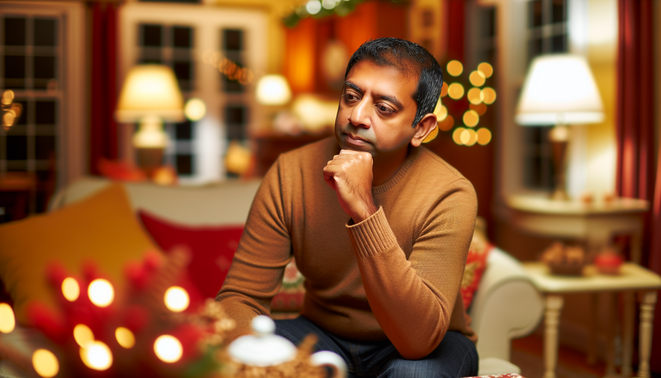
The Importance of Family Dynamics
Understanding family dynamics during the holiday season is essential for fostering harmonious relationships and enhancing overall experiences. Family units often bring together various personalities and emotional responses, which can significantly influence interactions. The Intergenerational Trauma Framework suggests that family histories, including past conflicts and unresolved issues, can resurface during holidays, making it vital to approach gatherings with empathy and awareness [Source: Emotional Intelligence].
Moreover, strong family connections can enhance individual well-being. Research indicates that supportive family relationships promote positive mental health outcomes, particularly during stressful times like the holidays [Source: Emotional Intelligence]. During these times, recognizing and valuing each member’s personality type can lead to more thoughtful interactions, making celebrations more enjoyable [Source: MBTI].
In essence, understanding family dynamics is not just about tolerating differences; it’s about leveraging these dynamics to enrich holiday experiences. When individuals consciously navigate interpersonal relationships with an awareness of their impact, it can significantly transform gatherings into memorable and meaningful occasions.
Common Family Dynamics During the Holidays
During the holidays, family dynamics can range from heartwarming to tense, perfectly encapsulating the complexities of familial bonds. Family gatherings often bring together a diverse mix of personalities, spurring both joyful reunions and potential conflicts. The joy of reconnecting with loved ones can sometimes lead to emotional stress, particularly for those navigating past grievances or differing values.
Common interactions during these gatherings include heartfelt conversations, shared traditions, and playful banter, which help strengthen connections. However, the stress of holiday preparation and high expectations can exacerbate existing family tensions, leading to misunderstandings or disagreements. According to research conducted by the American Psychological Association, family conflicts can peak during holiday seasons due to the pressure of perfecting family dynamics while managing emotional stressors such as financial strain and time constraints [Source: American Psychological Association].
To mitigate potential conflicts, understanding personality types and incorporating emotional intelligence strategies can be beneficial. Tools like the MBTI framework can provide insights into individual preferences and communication styles, promoting smoother interactions. Engaging in open dialogues focusing on active listening fosters empathy and understanding, essential during emotionally charged situations [Source: Cerebral Quotient].
In essence, recognizing the potential for both joy and conflict during holiday gatherings is key to navigating the emotional landscape of family dynamics. By fostering openness and employing emotional intelligence, families can create a more harmonious and enjoyable festive experience.
Navigating Conflicts and Tensions
Family gatherings can sometimes ignite tensions, but implementing effective strategies can foster harmony. Here are some tips to help navigate conflicts during these occasions:
- Practice Active Listening: Encourage all parties to express their feelings without interruption, showing respect and allowing everyone to feel heard.
- Establish Ground Rules: Set clear expectations regarding communication and agree on topics to avoid that could lead to conflict.
- Use “I” Statements: Encourage family members to express their feelings using “I” statements to clarify personal perspectives without creating defensiveness.
- Stay Calm and Collected: If tensions rise, suggest a short break to cool down and reduce the chances of escalation.
- Seek Common Ground: Focus on shared values and interests that unite family members, fostering a positive atmosphere.
- Problem-Solve Together: Collaboratively brainstorm solutions if conflicts persist, ensuring everyone’s participation in the resolution process.
- Know When to Walk Away: Sometimes it’s best to step back from a heated discussion and revisit contentious topics later.
- Utilize Humor: A light-hearted joke can diffuse tension; just ensure it does not belittle anyone’s feelings.
These strategies promote open communication and can significantly enhance family dynamics during gatherings. For more insights on managing emotional dynamics, check out our article on navigating holiday emotions.
Creating New Family Traditions
Establishing new family traditions plays a vital role in reflecting the evolving dynamics of family structures and fostering inclusion and togetherness. As families change—through births, marriages, or separations—creating fresh rituals can help everyone feel valued and connected. These traditions, whether they are simple game nights, food-sharing experiences, or volunteering as a family, reinforce bonds and create lasting memories.
Research shows that family traditions can enhance emotional connection and promote a sense of belonging among all members. Shared rituals foster communication, teach values, and provide a framework for family identity. According to an article from Psychology Today, traditions contribute to a family’s legacy and give children a sense of security and continuity in their lives.
Incorporating the values and preferences of each family member when creating these new traditions is crucial. This approach ensures that everyone feels included, boosting morale and strengthening relationships. For example, families might initiate new ways to celebrate birthdays or holidays, recognizing that what once worked might not fit everyone’s needs today.
To explore more about the importance of emotional safety and how it relates to family gatherings, check out our article on understanding emotional intelligence for a stress-free holiday season. By fostering an environment where every member can contribute, families not only create new memories but also reinforce their commitment to each other.
Self-Care and Boundaries
Self-care during the holidays is essential for maintaining emotional well-being amidst the hustle and bustle. The holiday season often brings additional stress from social obligations, financial pressures, or family dynamics. Engaging in self-care practices—like mindfulness, relaxation techniques, and setting aside time for oneself—can mitigate stress and enhance overall enjoyment [Source: Emotional Intelligence].
Setting boundaries is equally crucial during this time. By defining personal limits, individuals can safeguard their mental health and create healthier interactions with family and friends. For example, politely declining invitations when feeling overwhelmed can free up time for self-care, leading to a more enjoyable holiday experience [Source: Building Stronger Relationships]. Additionally, clear boundaries can help mitigate conflicts and misunderstandings, fostering a more supportive environment during gatherings [Source: Navigating Relationships during Holiday Gatherings].
By embracing these strategies, individuals can transform the holidays into a time of joy and connection rather than stress.
Fostering Connection and Understanding
Fostering deeper connections with family members is essential for emotional well-being and the health of relationships. Here are some effective tips to cultivate those bonds:
Active Listening
Engaging in active listening means fully concentrating on what family members are saying rather than just passively hearing their words. Techniques include maintaining eye contact, nodding in acknowledgment, and reflecting back what you’ve heard. This practice enhances communication and helps family members feel valued. For tips on improving listening skills, check out this article on building emotional intelligence in relationships.
Empathy
Empathy is crucial in fostering connections. It involves understanding and sharing the feelings of others. To practice empathy, try to put yourself in your family member’s shoes and respond to their emotions with kindness. Open-ended questions can encourage them to express their feelings, deepening your understanding. For more on empathy and emotional intelligence, explore this resource.
Shared Activities
Engaging in shared activities can significantly strengthen family ties. Whether it’s playing games, cooking together, or going for walks, these moments create opportunities for bonding and shared experiences. Consider starting family traditions that everyone looks forward to, enhancing feelings of unity and connection. For creative ideas on involving family in enjoyable activities, visit building stronger relationships during festive seasons.
Open Communication
Encouraging open and honest communication fosters trust within the family. Create a safe space where everyone feels comfortable sharing their thoughts and feelings. Regular check-ins can help address any misunderstandings or conflicts before they escalate, paving the way for healthier relationships.
Strengthening family connections takes time and effort, but the rewards—improved emotional health and solid relationships—are well worth it.
Key Takeaways
- Understanding family dynamics fosters harmonious relationships during the holiday season.
- Open communication and emotional intelligence can significantly reduce tensions in family gatherings.
- Creating new family traditions helps strengthen bonds and accommodates changing family structures.
- Self-care and setting boundaries are essential for maintaining emotional well-being amidst holiday stress.
- Active listening and empathy are crucial for deepening family connections and fostering understanding.
- Prioritizing relationship nurturing during the holidays builds a supportive atmosphere for every family member.
FAQ
1. How can we manage differing opinions during family gatherings?
To manage differing opinions, encourage open dialogue while promoting respectful listening. Establishing a “no arguing” rule can help maintain a positive atmosphere.
2. What strategies can help ease sibling rivalry during the holidays?
Consider implementing activities requiring teamwork, such as cooking or board games, to ease sibling rivalry and foster cooperation.
3. How can families handle the stress associated with holiday gatherings?
Encourage mindfulness practices and open discussions to manage stress. For more strategies, check out our article on managing holiday stress effectively.
4. What if family members can’t agree on holiday traditions?
Approach these discussions with flexibility, allowing different family members to suggest traditions for everyone to partake in, possibly rotating choices each year.
5. How can we create a more positive atmosphere during family gatherings?
Establish a tradition of sharing gratitude among family members to redirect focus from conflicts to positive interactions and community.
6. What should we do if conflicts arise during a gathering?
Address conflicts promptly and calmly; consider designating a mediator to help resolve disputes amicably.
7. How do personality types impact holiday gatherings?
Understanding personality types aids interactions; discussing inherent traits can provide valuable insights into managing family dynamics [Source: Influencing Holiday Interactions].
Conclusion
During the holiday season, family dynamics often take center stage, revealing both strengths and areas for growth. It’s a time that magnifies our connections, influencing emotional well-being and creating lasting memories. Engaging with family members can reinforce bonds but also highlight differences in personality and communication styles. Recognizing these differences is crucial for fostering harmonious gatherings.
Nurturing relationships during the holidays means being intentional about interactions. Strategies such as active listening, expressing gratitude, and showing empathy can significantly enhance the quality of family connections. Practicing emotional intelligence allows us to navigate familial challenges effectively, transforming tense moments into opportunities for connection.
Prioritizing relationship nurturing during the holidays helps build a supportive atmosphere that enhances familial bonds and supports individual emotional health. Each gathering is not just an event; it’s an opportunity to deepen our understanding of one another and strengthen the fabric of our family.