
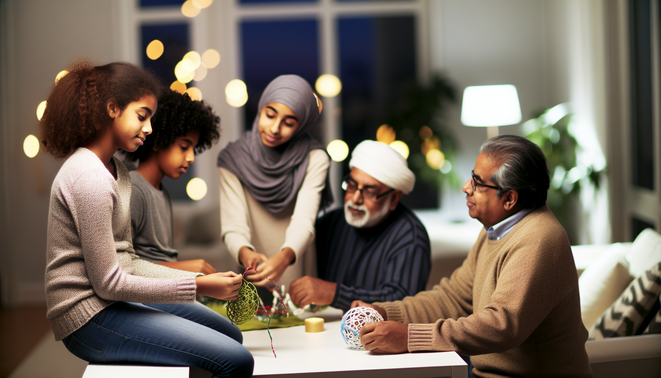
Understanding Family Dynamics During the Holidays
If you’ve ever left a family gathering feeling more drained than fulfilled, you’re not alone. Holiday interactions can be a mixed bag of joy and tension, shaped by the unique dynamics within each family. Understanding these dynamics is crucial for a more enjoyable holiday season and lasting memories. This article dives into how family relationships affect our holiday experiences and offers practical tips for navigating them effectively.
Influence of Family Interactions on Holiday Experiences
Family interactions significantly influence our holiday experiences, often shaping our feelings, memories, and overall enjoyment during these times. The dynamics of family relationships can instigate joy or, conversely, trigger tension and stress. For instance, families with open communication tend to report a higher satisfaction with their holiday gatherings compared to those who struggle with conflicts or unexpressed emotions Source: Emotional Intelligence.
Understanding these dynamics is crucial for a more fulfilling holiday season. Recognizing personality differences, such as those identified through the Myers-Briggs Type Indicator (MBTI), can help family members better navigate their interactions. For example, knowing whether a family member leans towards being introverted or extroverted can inform how to approach conversations and activities, reducing misunderstandings and enhancing connections Source: MBTI and Holiday Interactions.
Changing Family Roles During the Holidays
During festive seasons, traditional roles often resurface within families, reflecting deeply rooted cultural norms. For instance, many families still adhere to the expectation that women handle meal preparations and decorating, while men take on the role of managing holiday finances or entertaining guests. However, these roles are evolving. Increasingly, couples are sharing responsibilities, leading to a more collaborative environment that embraces equality.
This shift is especially notable among younger families, where dual-income households challenge traditional expectations and redefine tasks, as noted in studies exploring changing family dynamics during the holidays Source: Pew Research Center.
Generational Differences in Holiday Celebrations
Generational differences further complicate family dynamics during the holidays. Baby boomers often hold onto the traditions they grew up with, valuing the rituals and customs as a means of maintaining connection. In contrast, millennials and Gen Z prioritize experiences over material goods; this can lead to tension between generations as young adults express a desire for more inclusive and innovative celebrations, favoring activities that reflect their lifestyles rather than adhering to strict traditions Source: Go Great.
Navigating Evolving Family Structures
Evolving family structures also come into play; blended families and single-parent households are becoming more common. These changes necessitate adaptations in how families conduct celebrations, where inclusivity and consideration for diverse backgrounds are crucial for creating a harmonious holiday atmosphere. For example, families may blend different cultural practices, fostering a richer holiday experience that honors all members’ traditions, signaling a move towards greater acceptance and flexibility in family roles during festive gatherings Source: HuffPost.
Effective Strategies for Managing Disagreements
Managing disagreements during family gatherings can be challenging, but with a few effective strategies, you can navigate through the tensions with ease. Here are several approaches to consider:
- Set Ground Rules: Before the gathering, discuss boundaries and expectations with family members. Agree on topics to avoid, like politics or religion, which can often lead to disagreements.
- Practice Active Listening: During discussions, make sure to listen actively. Acknowledging others’ feelings can de-escalate tensions.
- Use Humor Wisely: Light humor can diffuse tension, but ensure that jokes are not at anyone’s expense.
- Take Breaks: If tensions run high, don’t hesitate to take a moment away from the group.
- Focus on Solutions: Encourage dialogue to focus on finding solutions rather than dwelling on problems.
- Utilize a Neutral Party: Involve a neutral family member who can mediate if disagreements become heated.
- Know When to Walk Away: If a conversation becomes too heated, it’s okay to disengage.
- Emphasize Shared Values: Remind family members of the common values and experiences that bond them together.
- Reflect on Past Successful Resolutions: Remind each other of times when conflicts were successfully resolved.
- Follow Up Post Gathering: Take the time to check in with family members after the event to address any lingering tensions.
Encouraging Open Communication
Establishing open lines of communication is essential for fostering a supportive family environment during the holidays. Here are some strategies to promote constructive dialogue:
- Encourage Open Expression: Create a safe space for family members to express their thoughts and feelings.
- Practice Active Listening: Show genuine interest in what family members say by nodding and maintaining eye contact.
- Set a Positive Tone: Start gatherings with a positive mindset by sharing joyful memories and expressing gratitude.
- Empathy is Key: Validate each other’s feelings, fostering compassion and strengthening relationships.
- Engage in Meaningful Activities: Spend quality time together through activities like cooking or games.
- Address Conflicts Calmly: Manage disagreements constructively using “I” statements to express feelings.
- Utilize Technology for Long-Distance Families: Leverage video calls and group chats to stay connected.
- Practice Emotional Intelligence: Recognize and respond to emotional dynamics during gatherings.
Importance of Family Rituals and Traditions
Family rituals and traditions play a pivotal role in shaping family dynamics and fostering a sense of belonging among members. Engaging in consistent family activities, such as holiday celebrations, not only creates shared memories but also reinforces familial bonds. Research shows that rituals facilitate communication and strengthen relationships within a family unit, promoting a sense of security and belonging [Source: National Institutes of Health].
Traditions also serve as a way to navigate transitions and challenges, becoming touchstones for families during times of stress [Source: American Psychological Association]. Ultimately, these practices significantly contribute to a child’s development by helping them establish their identity and fostering social skills [Source: JSTOR].
Prioritizing Emotional Health and Self-Care
During the bustling holiday season, emotional health and self-care are often overlooked, yet they play a vital role in creating a fulfilling experience. Practicing mindfulness can combat holiday stress, while establishing boundaries helps ensure your emotional well-being is protected. Additionally, nurturing social connections can enhance emotional health and reduce feelings of isolation.
Taking time for personal reflection is beneficial as well. Journaling about emotions and experiences during the holidays can help clarify thoughts and reinforce self-awareness. For more strategies on navigating emotional challenges during the holidays, check out our article on understanding emotional intelligence to navigate holiday stress.
Key Takeaways
- Understanding family dynamics can lead to more harmonious holiday celebrations.
- Open communication and empathy are crucial for effective family interactions.
- Recognizing and respecting changing family roles fosters positivity.
- Active listening can help de-escalate tensions during gatherings.
- Establishing healthy boundaries protects emotional well-being.
- Journaling and personal reflection enhance self-awareness and emotional navigation.
FAQ
- How can I manage conflicts during family gatherings? Focus on open communication and set boundaries ahead of time. Explore emotional intelligence strategies to better navigate difficult conversations.
- What should I do if I feel overwhelmed in family settings? Step away if needed, practice mindfulness, and engage in stress-relieving techniques to help regulate emotions.
- How do personality types affect family interactions? Different personality types can greatly influence interactions; understanding these differences helps reduce misunderstandings.
- Can I promote positive family dynamics during holidays? Yes, through empathy, open discussions, and shared activities, you can create a more positive atmosphere.
Conclusion
Understanding and navigating family dynamics during the holidays is crucial for fostering a harmonious environment. By recognizing personality types, engaging in supportive discussions, and practicing emotional intelligence, family members can mitigate misunderstandings and reduce emotional stress. Ultimately, open communication fosters connections that can endure long after the festivities end.
🧠 Ready to take your next test? Explore our resources on effective family interactions and emotional intelligence!