
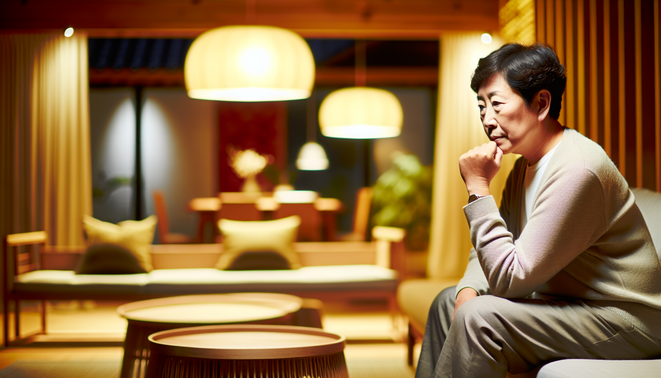
Understanding Family Dynamics During Holiday Gatherings
If you’ve ever left a holiday dinner feeling both uplifted and drained, you’re not alone. Family gatherings often bring a mix of joy and complexities, revealing the unique dynamics within families. The love and warmth shared during these celebrations can be overshadowed by underlying tensions and complicated relationships. By recognizing how our interactions reflect personality traits, like introversion and extroversion, we can navigate these complexities more effectively.
This article explores common family roles, the challenges of differing perspectives, and the importance of emotional intelligence to enhance our experiences during holiday gatherings. Understanding these dynamics can help reduce conflicts and promote more harmonious interactions, ultimately allowing us to cherish the precious moments spent together.
Identifying Family Roles During Gatherings
Families often exhibit distinct roles during gatherings, significantly impacting interactions and dynamics. Understanding these roles can enhance relationships and create a more supportive environment.
- The Peacemaker: Always striving to maintain harmony, the peacemaker intervenes during conflicts and encourages understanding. This role employs emotional intelligence, reading the room to diffuse tensions effectively. Such a presence is crucial to keeping the family bond intact. [Source: Emotional Intelligence]
- The Storyteller: By sharing family stories and weaving narratives, the storyteller fosters a sense of belonging. These recollections help younger members understand their heritage while solidifying intergenerational connections. [Source: Archetypes and Identity]
- The Critic: Though sometimes seen as troublesome, the critic voices opinions that can spark meaningful discussions. If managed well, this role can improve critical thinking and enhance relationships through constructive dialogue. [Source: Behavioral Patterns]
Common Family Challenges During Holidays
As joyous as holidays can be, they often highlight underlying tensions that families must navigate. Recognizing common issues can help improve interactions.
Conflict Resolution
Disagreements are common during holiday gatherings. Whether over traditions, food, or gift-giving, establishing clear communication can facilitate smoother discussions. Setting ground rules prior to gatherings can be beneficial. For instance, families might agree on avoiding contentious topics or setting aside time for open dialogue. Techniques like active listening can help resolve disputes before they escalate.
Generational Differences
Family gatherings bring together multiple generations, each with unique values shaped by historical contexts. Younger members might prefer modern traditions intertwined with technology, whereas older generations may favor conventional practices. Acknowledging these differences fosters understanding. Activities that blend traditional and contemporary elements, such as virtual family game nights, can bridge generational gaps effectively.
Emotional Triggers
Holidays evoke strong emotions connected to past experiences and expectations. Family members may inadvertently trigger these emotions, leading to tension. A supportive environment where members can express their feelings openly is essential. Practicing emotional intelligence can facilitate healthier interactions, while reflective practices like journaling or discussions about shared experiences encourage healing. For more on navigating emotions, explore our article on Navigating Holiday Emotions.
Strategies for Approaching Sensitive Topics
Conducting conversations around sensitive subjects requires patience, empathy, and effective communication. Here are strategies to foster healthy dialogues:
- Set the Right Environment: Choose a comfortable, distraction-free setting to promote open discussion.
- Know Your Audience: Tailor your approach based on family members’ emotional readiness.
- Use “I” Statements: Frame your points with “I feel” statements to minimize defensiveness.
- Listen Actively: Show genuine interest in others’ perspectives by listening without interruptions.
- Acknowledge Emotions: Validate feelings by reflecting on what you hear, helping manage emotional responses.
- Be Open to Different Opinions: Embrace curiosity rather than judgment to foster understanding.
- Set Boundaries: Pause conversations if they become too heated, and suggest revisiting them later.
- Use Humor Wisely: Light humor can diffuse tension, but avoid belittling others’ feelings.
- Focus on Solutions: Steer discussions towards constructive outcomes.
- Follow Up: Check in after sensitive conversations to ensure there are no lingering hurt feelings.
Implementing these strategies can significantly enhance communication quality during family gatherings, allowing everyone to feel heard and respected. Further insights can be found in our article on Exploring Emotional Intelligence for Happier Holiday Gatherings.
Fostering Joy and Harmony in Family Gatherings
Creating a joyful atmosphere hinges on two key strategies: setting boundaries and planning inclusive activities.
Setting Boundaries
Healthy boundaries are essential for maintaining a peaceful family environment. Clearly expressing individual needs helps prevent feelings of overwhelm and resentment. Using “I” statements, like “I feel overwhelmed when tasks aren’t shared,” reinforces mutual respect and reduces tension.
Inclusive Activities
Engaging in activities that involve all family members, considering their interests and ages, helps strengthen bonds. Rotate event planning responsibilities so everyone has a say. Traditional or cultural experiences can deepen connections and build memories and shared values, significantly enhancing family cohesion. For more insights on strengthening family ties, refer to our posts on understanding emotional intelligence during gatherings [Source: Thanksgiving Gatherings] and navigating family relationships [Source: Relationship Insights].
The Importance of Shared Experiences
Bonding activities like game nights and cooking foster connections among family members. Such interactions nurture collaboration and problem-solving skills vital for healthy relationships.
Meaningful family traditions contribute to this bonding process, creating stability and shared identity. Simple rituals, such as holiday gatherings or regular family activities, cultivate happiness and togetherness. Research indicates that engaging in structured traditions enhances emotional well-being and strengthens familial bonds [Source: Psychology Today].
As family dynamics evolve, these traditions adapt, allowing for continuity while maintaining connections. For instance, an evolving holiday celebration can bring together extended relatives, thereby deepening intergenerational relationships. Ultimately, these shared experiences are the foundation of resilience, trust, and unconditional love within the family unit. For further insights, explore our article on building stronger relationships during the festive season.
Key Takeaways
- Understanding family roles during gatherings is essential for promoting healthier interactions.
- Clear communication and conflict resolution techniques can help navigate typical family disagreements.
- Cultivating emotional intelligence enhances empathy and support during challenging discussions.
- Establishing boundaries prevents misunderstandings and promotes respect among family members.
- Shared traditions and inclusive activities help strengthen family ties and create treasured memories.
FAQ
What should I do if a conflict arises during a family gathering?
Approach the situation with empathy and actively listen to all parties. Try to address feelings first before discussing the issue itself to create a more productive conversation.
How can I encourage open communication among family members?
Foster a safe environment by inviting members to share their feelings and perspectives. Regularly check in with each other and engage in reflective discussions.
What are effective ways to manage emotional triggers during holidays?
Creating a supportive atmosphere where members can express feelings openly is vital. Practicing self-care and emotional regulation strategies helps navigate these triggers effectively.
How can I ensure everyone feels included in family activities?
Plan activities that consider the interests of all family members. Rotate responsibilities for planning events to ensure everyone has a say.
Conclusion
Navigating family dynamics during holidays is crucial for fostering warmth and connection. By practicing empathy and understanding, family members can engage meaningfully despite differing opinions, stress, and past grievances. Encouraging open communication transforms potential conflicts into opportunities for growth.
Applying emotional intelligence allows family members to manage feelings constructively, enhancing the quality of interactions throughout the festive season. By prioritizing mindfulness and compassion, families can build stronger relationships that endure beyond the holiday celebrations. 🧠 Ready to take your next family gathering to the next level?
- Cerebral Quotient – Understanding Emotional Intelligence to Navigate Holiday Stress
- Cerebral Quotient – Understanding Archetypes: A Pathway to Personal Growth
- Cerebral Quotient – Understanding Behavioral Patterns to Improve Holiday Interactions
- Cerebral Quotient – Navigating Holiday Emotions: The Essential Role of Emotional Intelligence
- Cerebral Quotient – Exploring Emotional Intelligence for Happier Holiday Gatherings
- Cerebral Quotient – Building Stronger Relationships During the Festive Season
- Psychology Today – The Importance of Shared Family Traditions
- Cerebral Quotient – Understanding Emotional Intelligence to Navigate Holiday Stress
- Cerebral Quotient – Navigating Relationships and Compatibility Insights for the Holidays
- Cerebral Quotient – How Your MBTI Personality Type Influences Holiday Interactions